
THINGS YOU DIDN’T KNOW YOU COULD ACHIEVE WITH ROTATIONAL MOULDING
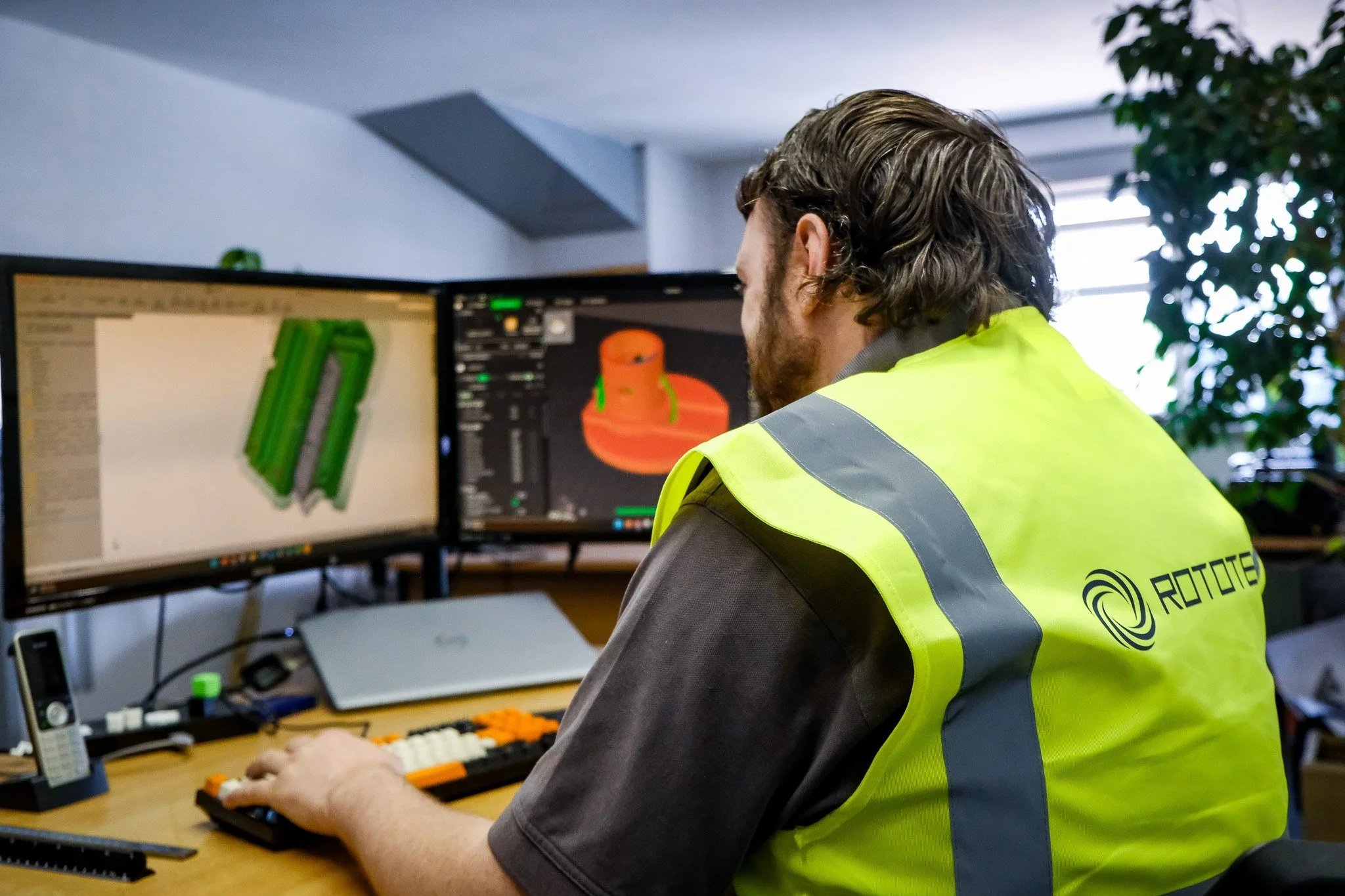
While rotational moulding is widely recognised for producing large water and chemical storage tanks, its true capabilities extend far beyond these common applications. Many rotational moulding capabilities can be overlooked because rotomoulded components aren't considered until later in the design process. When rotational moulding is specified from the outset, engineers can maximise the process's strengths, design around its constraints, and achieve outcomes that other plastic manufacturing methods simply can't.
WHY ROTATIONAL MOULDING IS OFTEN UNDERESTIMATED
As there are fewer rotomoulding specialists in the UK compared to injection moulders, there is less shared design knowledge in the industry, which can lead to conservative application rather than creative problem-solving. Estimates suggest there are around 20 to 30 rotomoulders nationwide, compared to more than 1,000 injection moulders.
YOU CAN MOULD PARTS MUCH LARGER THAN YOU MAY EXPECT
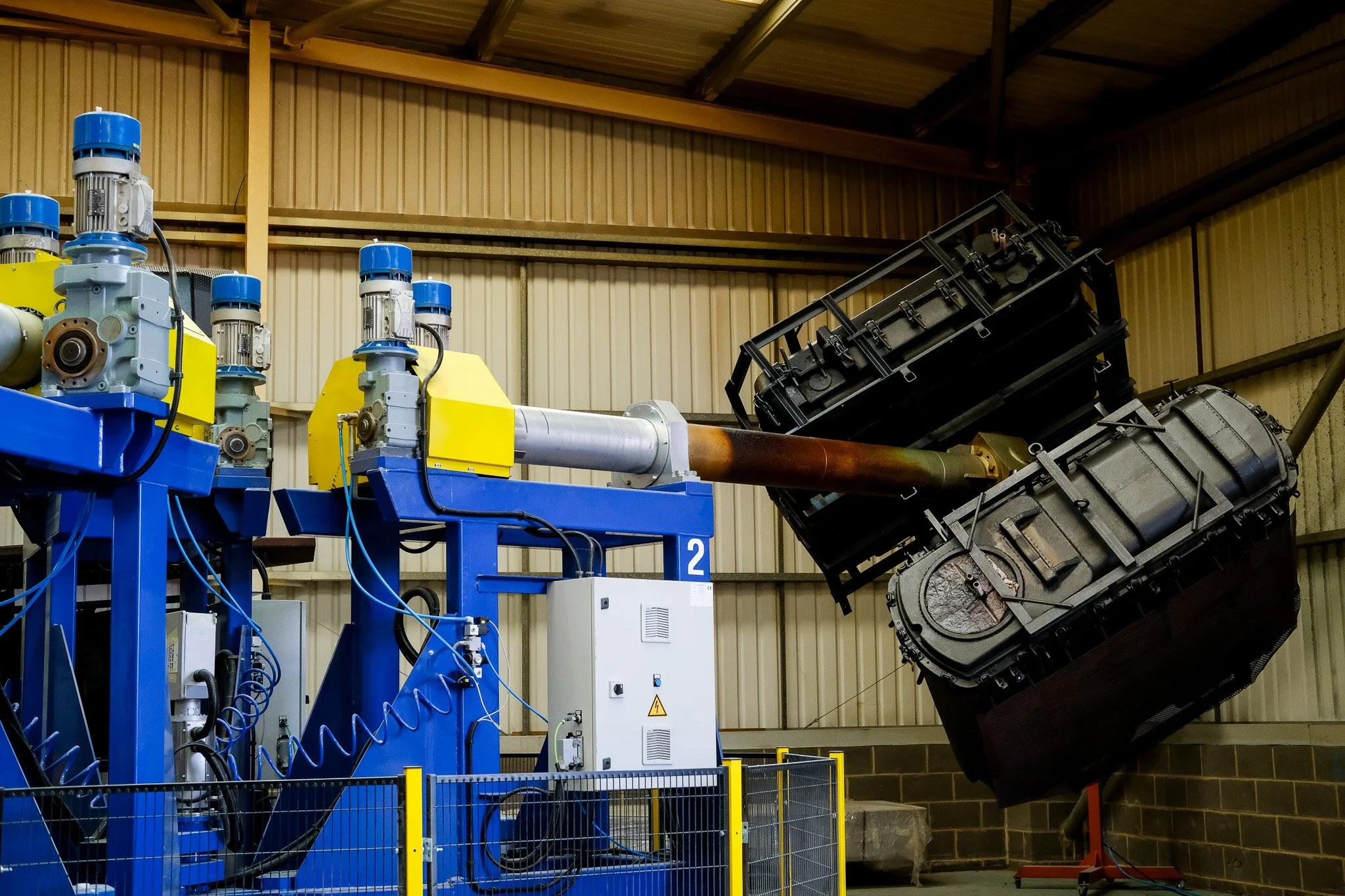
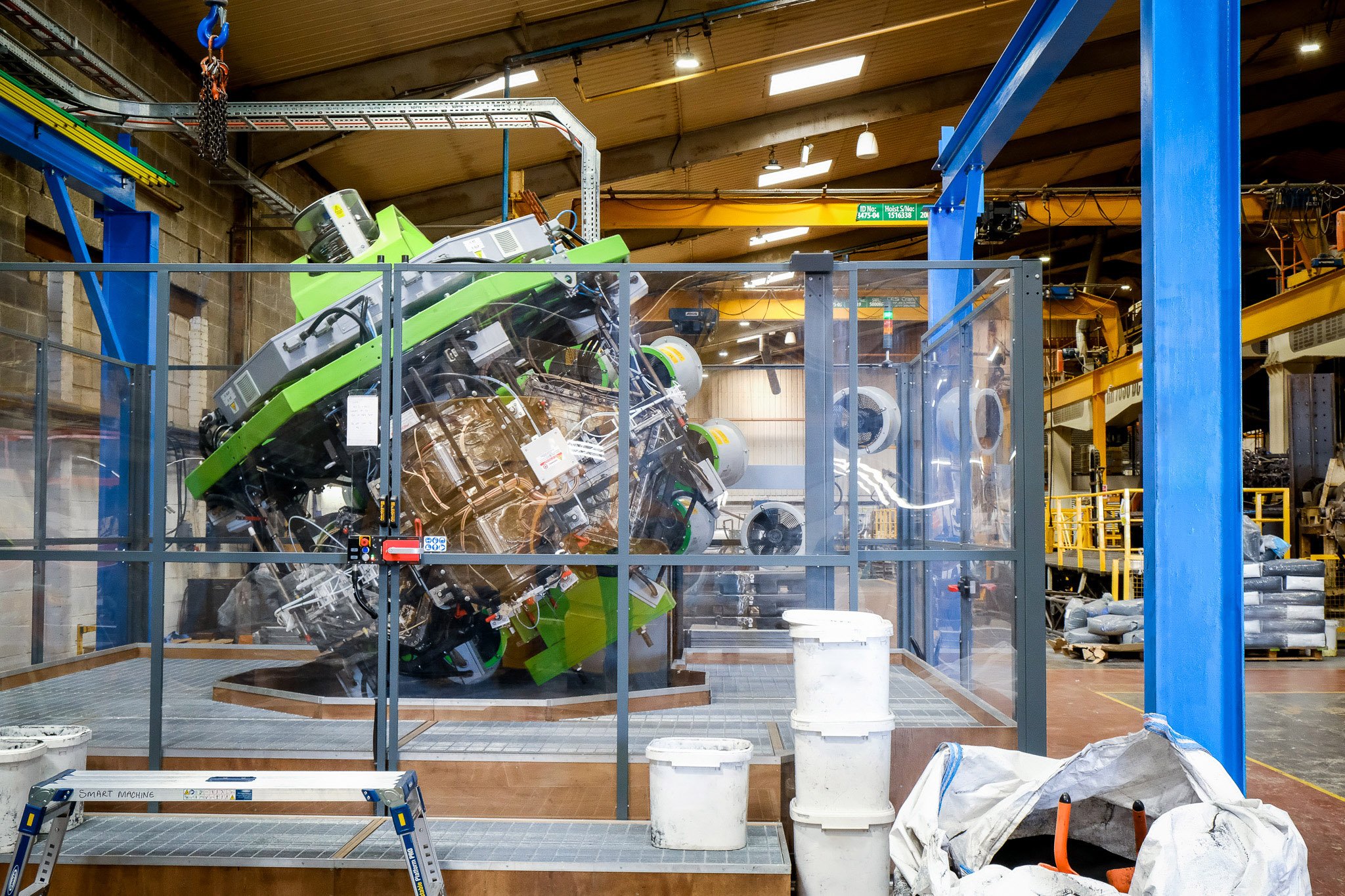
At Rototek, we manufacture parts up to seven metres in length, using a fleet of over 20 advanced rotomoulding machines, including our Persico electric SMART Machine. The ability to manufacture at this scale is a defining feature of our process. Many products made by rotational moulding, such as marine components like hulls and sailing dinghies, achieve sizes that aren’t feasible with other plastic manufacturing methods.
Additionally, unlike injection moulding, rotational moulding doesn't require complex heating or cooling channels, allowing for much simpler tooling that can cost a fraction of an equivalent injection mould. Because the process also operates without high injection pressures, moulded parts are free from the residual stresses commonly associated with high-pressure moulding, resulting in tougher, more durable components. This simplicity also makes tooling easier to modify. In some cases, we can use modular tool designs to produce multiple product variations without building entirely new moulds.
For instance, a range of water tanks with different capacities can be produced using a single core tool, with modular sections added or removed to adjust the final volume, such as 500, 750 and 1,000 litres. Compared with making separate tools for each size, this approach reduces upfront tooling costs and shortens lead times while maintaining production flexibility. To maximise these benefits, a modular tooling strategy should be considered early in the design process. However, excessive modularity can compromise tool integrity and product quality, so an appropriate balance should be struck.
YOU CAN ACHIEVE STRENGTH WITHOUT BRITTLENESS
Plastic products are sometimes thought of as thin or fragile. However, products made by rotational moulding can be a lot thicker and more robust. Our process forms parts without the internal stresses created by high-pressure manufacturing methods, and we can increase wall thickness where a part needs it. With the right material choice, this produces strong, impact-resistant components rather than brittle ones. One of our customers replaced their steel cement mixer drums with a rotomoulded part. Steel drums are prone to denting, corrosion and failure in heavy-duty environments. The rotomoulded alternative has improved longevity, as the material resists impact damage and doesn’t corrode. This means fewer replacements and reduced maintenance on the cement mixer drum over time.
We also manufacture protective transport products for bicycles for one of our customers. After comparing manufacturing methods, our customer found that rotomoulded versions of the product withstood tests such as being dropped from a height and dragged across rough ground, where products produced through other methods cracked or failed.
YOU CAN BUILD FUNCTIONAL FEATURES DIRECTLY INTO THE PART
Another advantage of our rotational moulding is the ability to create functional features during the moulding process.
METAL INSERTS
Threaded metal inserts can be moulded directly into the plastic structure. These inserts provide connection points for pipes, filters, outlets or other mechanical assemblies. Rotomoulding can also allow for larger inserts. Some components include inserts more than three inches in diameter, which allows for connections to be built directly into the part.
THROUGH HOLES AND INTERNAL FEATURES
We can also include blind holes and through holes in mouldings. These features allow drainage points, internal baffles or structural connections between different surfaces within a part. In some cases, internal features can be used to strengthen the external surface without affecting the visible finish.
YOU CAN ACHIEVE COMPLEX GEOMETRY AND TIGHT CORNERS
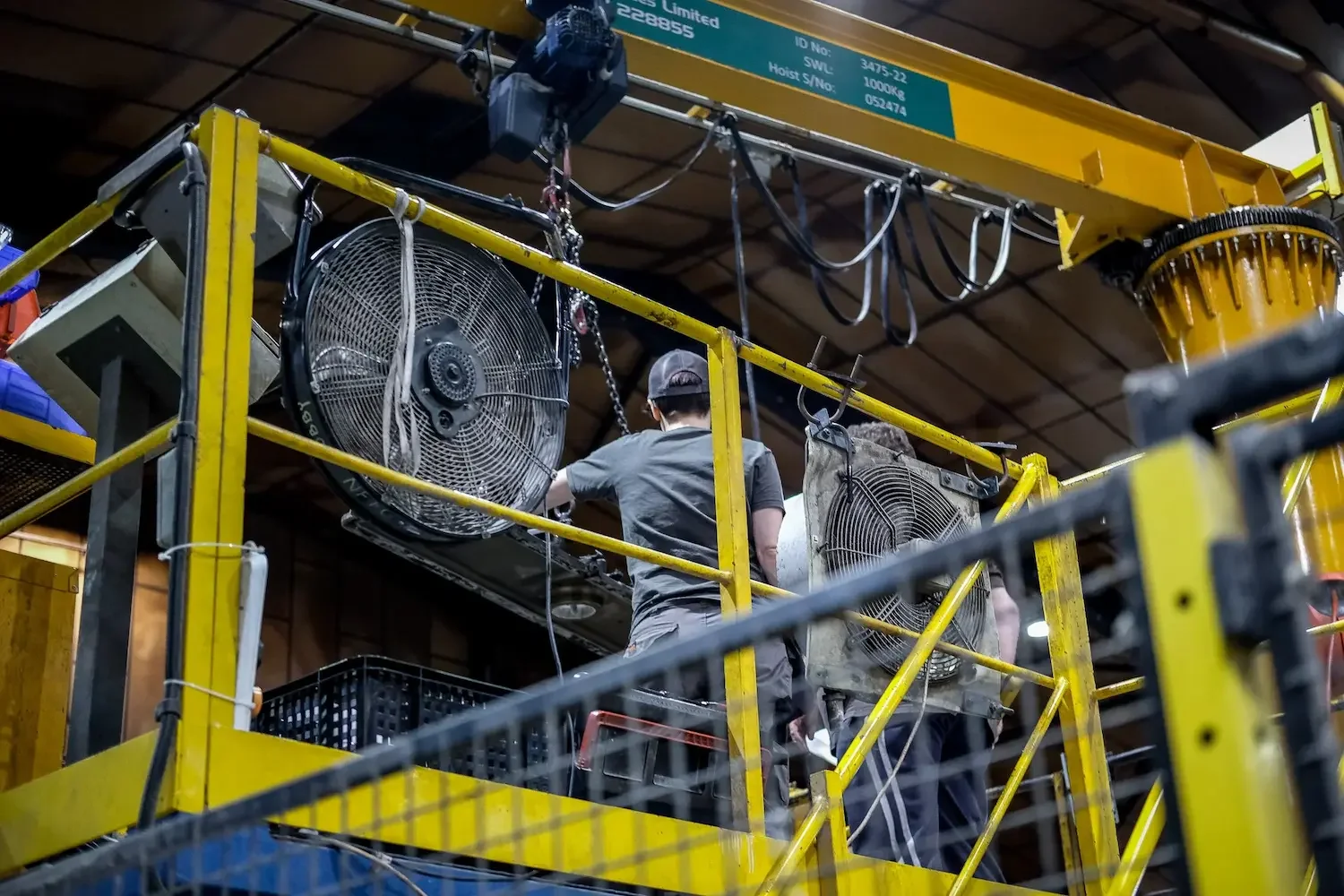
Rotomoulding can also accommodate more complex geometry. Lofted shapes, compound curves and intricate external forms can all be achieved through careful tool design. As the tooling itself is relatively simple, features such as undercuts can sometimes be incorporated where other manufacturing methods would struggle. Achieving these shapes does require some collaboration between you and our design team to explore what rotational moulding can do during the design stage.
YOU CAN CONTROL APPEARANCE MORE THAN YOU MAY REALISE
Surface finish and visual design are also sometimes overlooked in rotational moulding.
PERMANENT GRAPHICS AND LOGOS
Branding can be moulded directly into the plastic surface. Full-colour graphics or embossed logos become part of the material itself and can’t peel or fade.
COLOUR AND FINISH
With Rototek, you can achieve a wide variety of colours, including vivid shades, colour-matched materials and speckled blends that create different visual effects.
TEXTURES
We can also incorporate textures into the mould surface. These can serve practical purposes as well as visual ones. Rough finishes can improve grip on handles or climbing surfaces on boats, and cross-hatch patterns can provide more traction on walking surfaces such as the top of a tank. Smooth finishes can be used where fluid movement or glide performance on water is important. Different textures can be combined across a single part, which gives you more control over how products made by rotational moulding look and perform.
Heavier peen textures can be used for parts such as mudguards and protective housings, where they can help to disguise scratches or scuffs in demanding applications. On the other hand, lighter textures can be combined with smooth areas to create a visual contrast, which we often use to enhance a product’s final finish. A smooth or polished finish can be used in areas of products that require regular cleaning or are subject to wear.
YOU CAN COMBINE MULTIPLE FUNCTIONS INTO A SINGLE MOULDING
Rotomoulding allows you to incorporate multiple functions into a single component. We can produce large hollow structures without the complex internal tooling needed by other manufacturing processes. This makes rotational moulding particularly suitable for tanks, enclosures and other hollow parts.
Additional functionality can be included through foam filling. A foamed wall structure creates components that are lightweight and offer an excellent strength-to-weight ratio. We commonly use this approach in marine applications such as sailing boat hulls. Polyurethane foam can also be added for buoyancy, insulation or extra rigidity for machinery housings and buoyancy floats to increase compression strength and reduce water filling. Reducing part count is another benefit, as many components that would usually need multiple assembled pieces can be produced as one moulding.
YOU CAN SPECIFY MATERIALS AND ADDITIVES
Rototek offers a range of polyethylene and polypropylene grades, allowing you to match material selection to your product’s mechanical and environmental requirements. We can also incorporate additives to achieve specialised properties that solve real-world challenges. For example:
We can add antimicrobial additives to healthcare and food-industry components such as housings, containers and furniture, where hygiene and cleanability are critical.
Anti-static formulations are ideal for electronics or cleanroom environments, preventing dust accumulation and static-related damage during manufacturing, shipping and use.
Flame-retardant plastics meet UL94 or CRIB 5/7 standards and are essential in institutional furniture, hospitals, secure facilities and equipment where fire safety regulations must be satisfied. It’s worth noting that flame-retardant additive loading can affect material properties, depending on the type and amount used, and may also reduce recyclability, but we work closely with you to produce a product that meets your requirements.
THE REALITY OF THE PRODUCTS MADE BY ROTATIONAL MOULDING
Rotomoulded plastic products extend far beyond simple tanks. Rotomoulding is highly versatile: producing robust, hollow components with integrated features, complex geometry and durable finishes. Rotomoulded components are capable of performing in demanding industrial, marine and commercial environments, demonstrating a level of sophistication that exceeds common applications.
YOU CAN PRODUCE LONG-LIFE, DURABLE PARTS – NOT DISPOSABLE PLASTICS
Rotationally moulded parts are built to last. From small, intricate, easy-to-clean components for healthcare to large, robust structures for marine and industrial use, parts produced through rotomoulding withstand demanding conditions. Their chemical resistance and structural integrity ensure longevity in outdoor, marine and high-wear environments, which makes them long-term assets rather than disposable items.
REcYCLING AND RESPONSIBLE MATERIAL USE
Sustainability is a core consideration in modern rotational moulding, and many of our clients are now prioritising recyclability more than they did in the last 10 years. The vast majority of rotomoulded products can be made to be recyclable, particularly when designed as mono-polymer or mono-material parts without inserts. Scrap from production can also be repurposed into lower-demand products, which reduces waste and material costs. However, cross-linked polymers and polyurethane foam can’t be recycled, introducing some limitations. Recycled content may also reduce material performance, making it unsuitable for some applications.
YOU CAN RECEIVE FINISHED, ASSEMBLED COMPONENTS – NOT JUST MOULDINGS
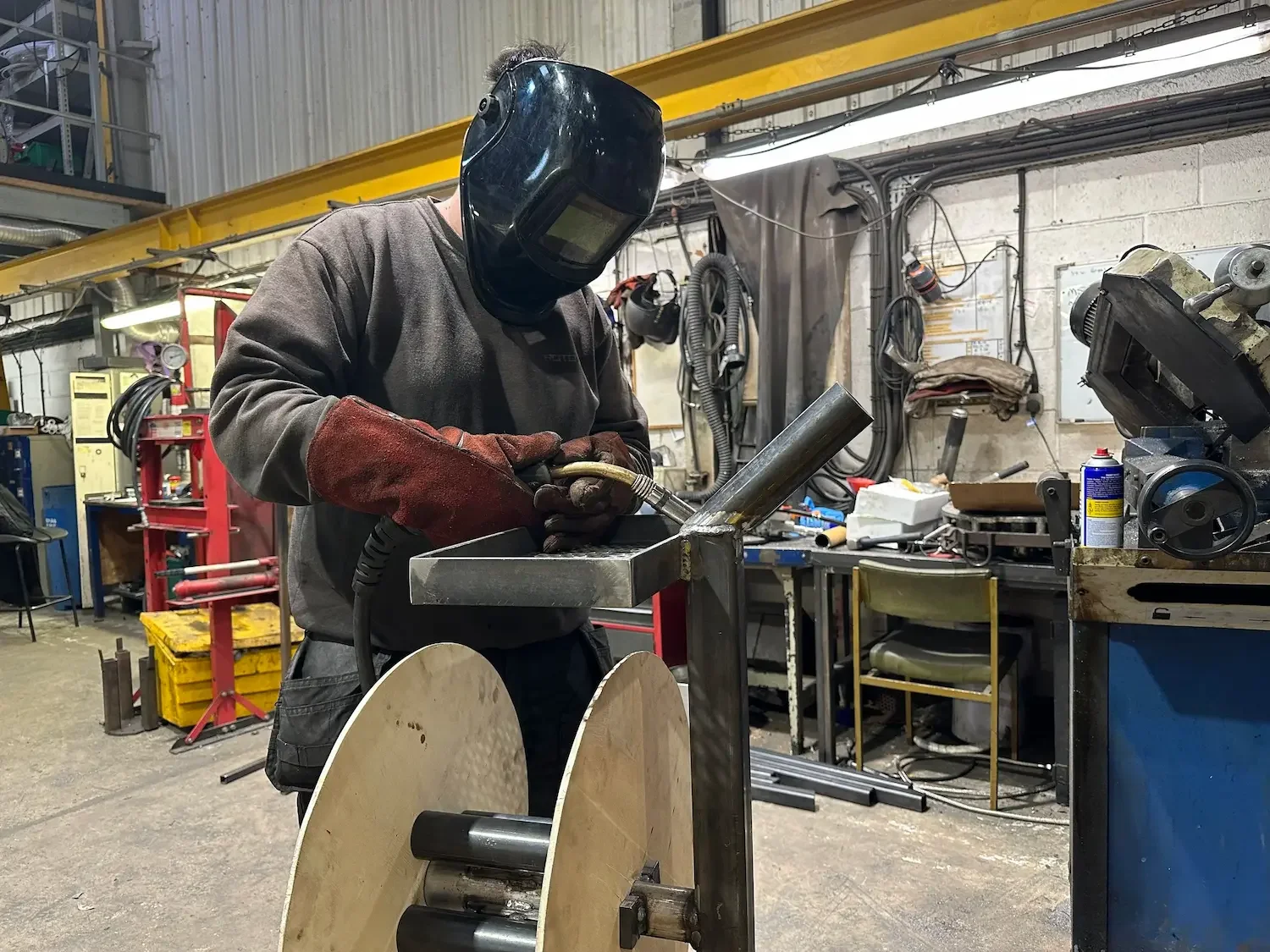
At Rototek, we go beyond producing high-quality parts. Our expert team can trim, test and assemble rotomoulded components on-site to deliver ready-to-use products that minimise the need for multiple suppliers or handovers. This integrated approach ensures lower costs and reduced complexity for our customers, and provides you with components that are immediately fit for purpose.
THINGS THAT STILL NEED CAREFUL DESIGN CONSIDERATION
Rotational moulding materials can exhibit greater shrinkage than injection-moulded plastics, and controlling tolerances can be a challenge. At Rototek, we work closely with you from the early design stage to account for these variations and set realistic dimensional expectations. Early collaboration ensures parts meet your functional requirements while maximising the advantages of what rotational moulding can do.
WHAT ROTATIONAL MOULDING CAPABILITIES MAKE POSSIBLE
Large mouldings, integrated features, durable materials and simplified assemblies are all possible when products are designed with rotomoulding in mind. If you’re evaluating manufacturing options and want to understand what rotational moulding can do for your next product, talking to our experienced team can make all the difference.
At Rototek, we will work with you on even the most challenging product requirements, from intricate components for the food industry to large, robust parts for the marine sector. If you’re exploring what this process could achieve for your project, our expert team is ready to help.