
25 Years of Investment: How Rototek Automated Production for EJ
Project Overview
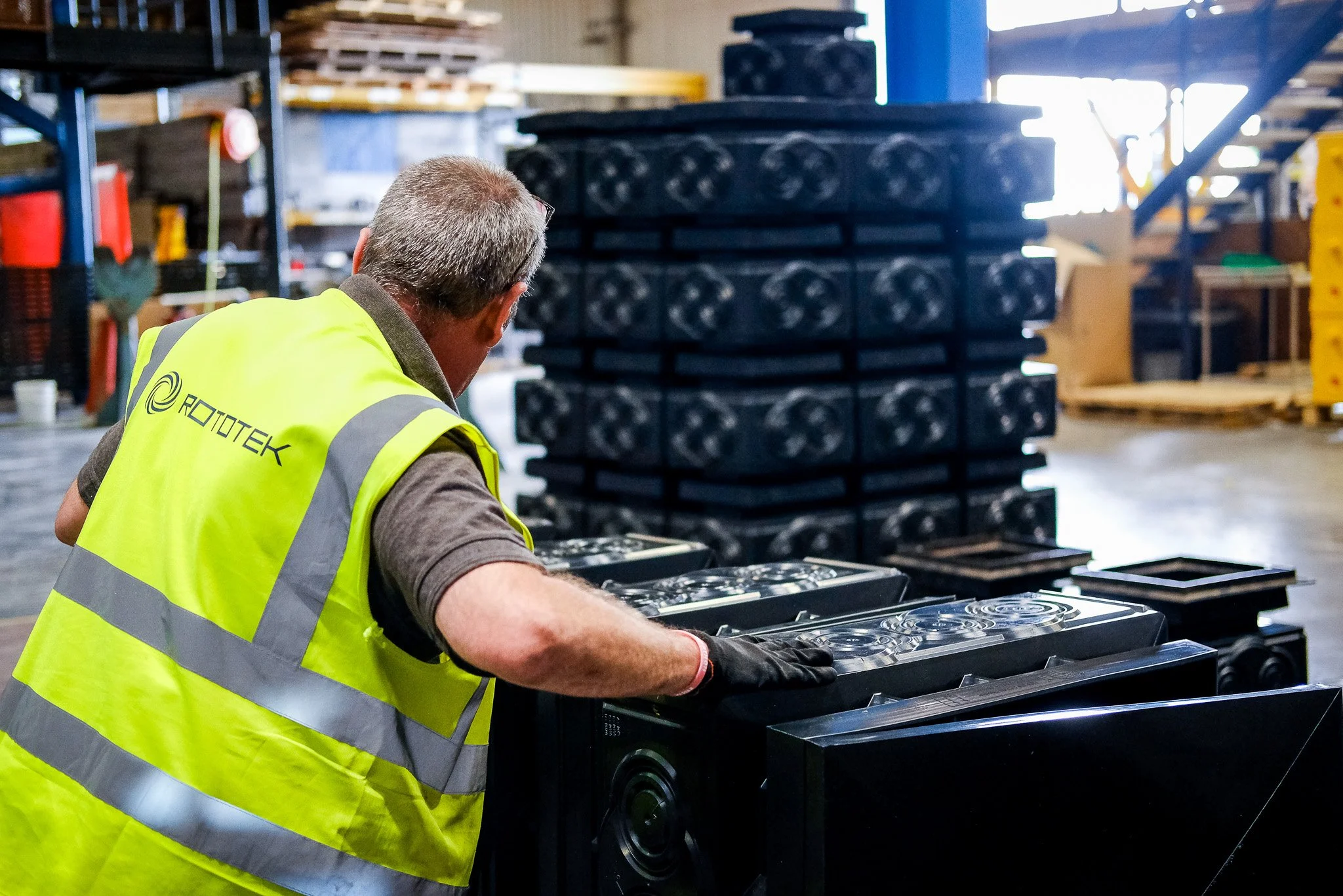
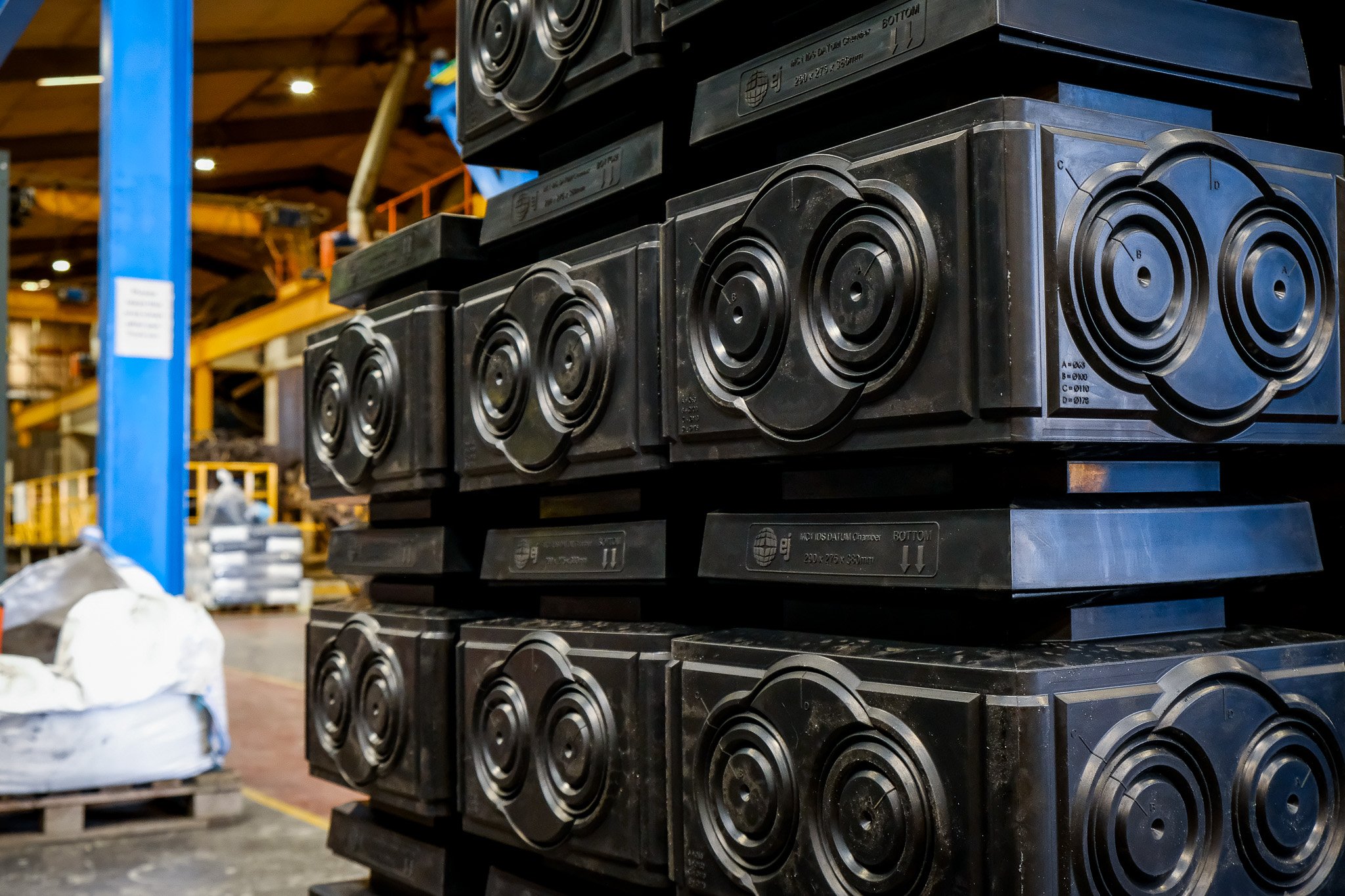
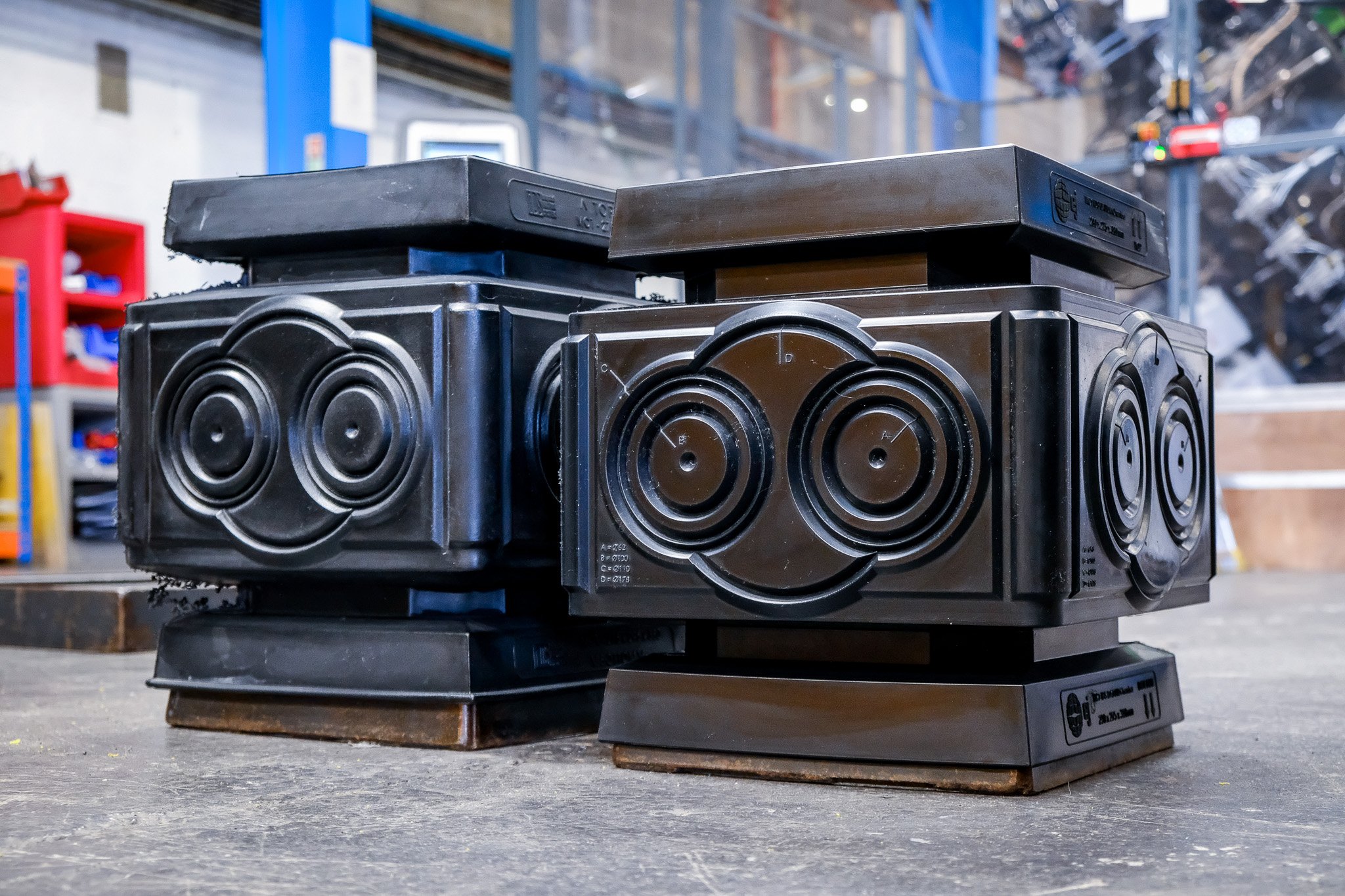
For 25 years Rototek has manufactured a core range of three products for EJ, a manufacturer of underground access chamber systems used across water management and utility infrastructure. This product range is produced from 100% recycled material.
Over the 25-year partnership, production has moved through four distinct tooling and machine generations: traditional steel tooling with gas-fired oven heating, aluminium cast tooling introduced in the early 1990s, fully automated oil-heated tooling installed in 2001, and, most recently, all-electric heated tooling with our Persico SMART Machine in 2024.
Each stage was driven by the same underlying pressure: EJ's production volumes were growing, and Rototek invested ahead of that growth to keep quality, consistency and efficiency moving forward with it. This case study follows that journey - from the tooling and machinery of 25 years ago through to where our production capability stands today.
The Challenge
EJ's three-product liner range was originally run on multiple steel tools, built and adapted using Rototek's production team's technical rotomoulding knowledge. As demand grew, the level of quality and detail required moved beyond what steel tooling could reliably deliver, prompting the move to aluminium cast tooling in the early 1990s.
By the late 1990s (over a quarter of a century ago now!), EJ's order volumes had grown to the point where even aluminium tooling was working at full stretch. Meeting demand meant weekend working and rising labour costs, a clear signal that it was time for the next stage of investment. We have continued to automate across our machine fleet in the years since, and today's picture looks very different. But back then, EJ needed a way to increase capacity and reduce labour dependency while building on the quality gains already made.
The Solution
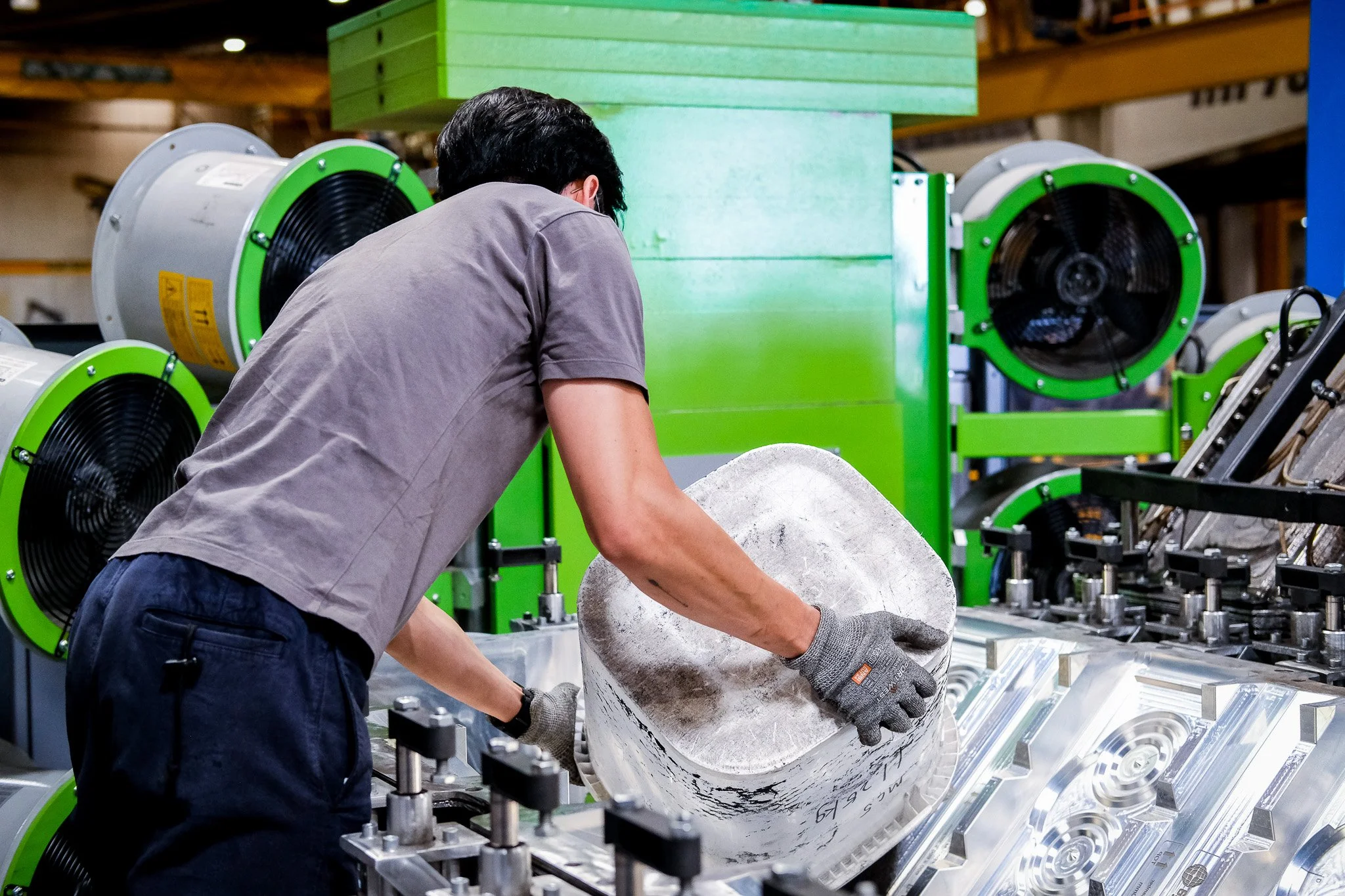
Rototek invested in automation as the next stage of the process. Following an intensive search of the machinery market in the early 2000s, one option stood out: a fully automated, gas-fired oil-heated rotomoulding machine. Thermal oil is circulated directly through channels built into the tooling, heating only the tool itself rather than a whole oven chamber, and is then swapped for chilled oil at the optimum point to cool the tool and product.
The machine and its three tools, one for each product in the range, arrived in 2001. It ran with no operator intervention for loading, unloading or material handling, a huge step change from the manual, oven-heated process it replaced.
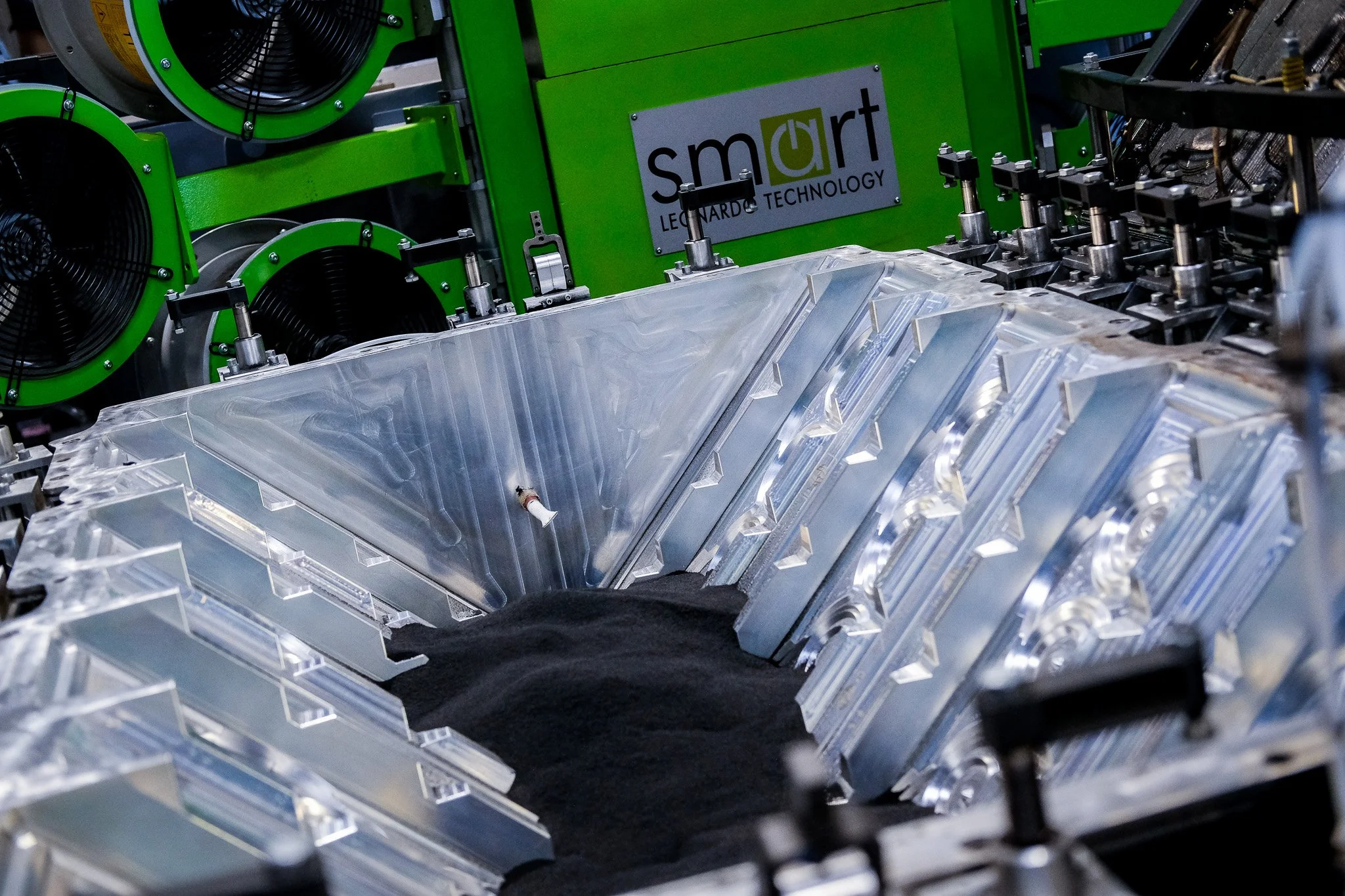
As that machine began to show the intermittent faults typical of ageing equipment, in 2024, Rototek and EJ took the next step: a move to all-electric heated tooling, the current stage of the journey and, we believe, the future direction for rotational moulding.
The Results
2001: Oil-heated tooling
Cycle time and output: Back in 2001, well before automation became standard practice across the Rototek factory, the oil-heated automated cycle ran in under 26 minutes, against a conventional gas oven-and-cool cycle of around 20 minutes heating and 20 minutes cooling, plus separate demoulding time. Labour input dropped to a minimal 3 minutes per cycle, and production capacity increased by 50%
Real production impact: On one production run, work originally scheduled to take five weeks was completed in three weeks on the automated machine, the same component volume in 40% less time. This freed two full weeks of manufacturing capacity, which EJ used to bring forward another product run
2024: All-electric tooling (Persico SMART Machine)
Energy savings of up to 40%, as heat is supplied only to the mould, depending on product geometry and material
Part weight reduced by up to 20% through better wall thickness control, meaning less raw material used per part
Shorter heating cycles, since mould temperature can be increased rapidly
Reduced scrap through better process control and iteration
Zero gas usage; electricity consumption of approximately 0.9 kW peak per kilo of material processed, depending on machine size and configuration
Significantly higher thermal efficiency and lower total energy consumption per kilo of plastic processed than either the oil-heated or gas oven-fired systems
Why Rotational Moulding
Rotational moulding was the right process for EJ throughout all four tooling generations because it suited a consistent, high-volume product made from recycled material, while allowing wall thickness and part quality to be refined as tooling and heating methods improved. The move from steel to aluminium cast tooling in the early 1990s addressed a quality and detail requirement that steel tooling could not meet; the later moves to oil-heated and then all-electric tooling built further on those capacity and efficiency gains.
Get in Touch
If you have a production requirement that isn’t being met by your current manufacturer, with over 30 years of technical rotational moulding expertise, the team at Rototek can help. Get in touch to discuss your project.