
ROTATIONAL MOULDING FOR AGRICULTURE
WHAT IS ROTOMOULDING FOR AGRICULTURE?
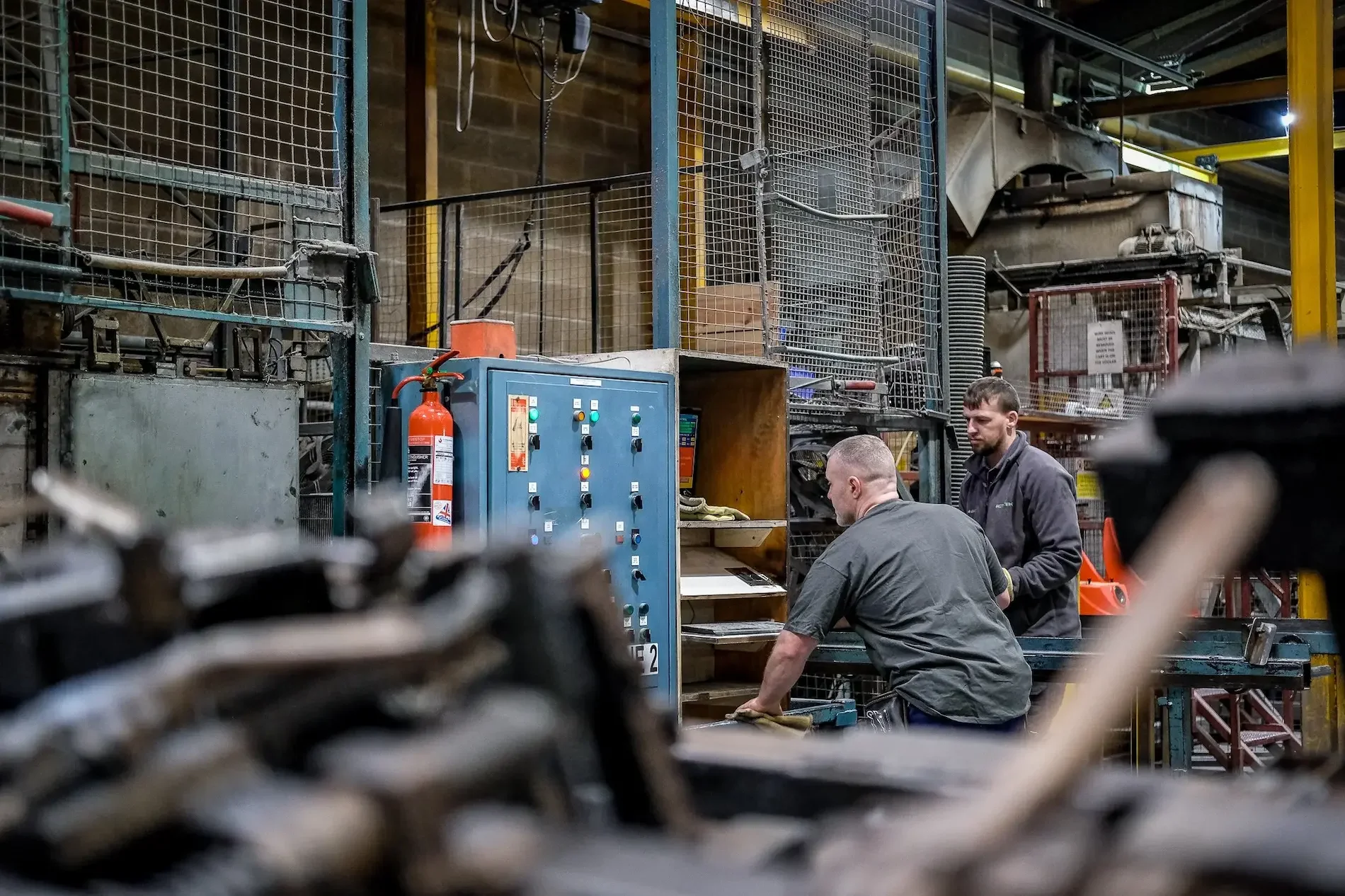
Rotational moulding is a manufacturing process that is often used for the production of plastic parts within the agricultural industry. Rotational moulding is a manufacturing process used to produce hollow, seamless plastic components designed for demanding farm operations and environments. By heating and rotating polymer material within a mould, our process creates stress-free parts with consistent wall thickness and no weld lines. This results in components that withstand heavy livestock use, exposure to chemicals and extreme weather conditions without cracking, corroding or degrading over time. This ensures durability and reliability, which is fundamental to day-to-day agricultural operations.
HEAVY-DUTY LIVESTOCK FEEDERS AND WATER TROUGHS
Seamless construction is a defining advantage of rotational moulding. Without joints or welds, there are reduced weak points, leak paths or areas where bacteria can accumulate within feeders or water troughs. This improves hygiene and reduces maintenance requirements. We can also integrate threaded inserts directly into the moulding, which allows for straightforward installation of standard plumbing connections, ball valves and drainage systems. This ensures compatibility with existing farm infrastructure.
BESPOKE COMPONENTS FOR AGRICULTURAL MACHINERY
Bespoke agricultural plastic moulding supports the production of complex, ergonomic components that can be difficult or costly to achieve with steel parts. Rotomoulding enables smooth, integrated shapes without the need for fabrication or assembly. Typical applications can include diesel, water and other liquid tanks, hoppers, mudguards and air ducts for tractors and harvesters. These components must be lightweight yet durable enough to withstand continuous exposure to impact, debris and harsh working conditions. Rotational moulding delivers this balance without compromising the structural integrity of the part.
TECHNICAL SPECIFICATIONS: ROTOMOULDED POLYMERS vs. STEEL
Polyethylene offers clear advantages over carbon steel in agricultural environments. UV stabilisers can be incorporated directly into the material during processing, rather than applied as a surface coating. This provides long-term resistance to UV degradation without the risk of peeling or flaking.
| Property | Polyethylene | Carbon Steel |
|---|---|---|
| Wall Thickness | Over 10mm for heavy-duty applications | Often thinner with reinforcement |
| UV Stability | Ability to have UV stabilisers incorporated throughout the material | Coating-dependent |
| Impact Resistance | High energy absorption | Prone to denting and deformation |
| Corrosion Class | Inert, non-corrosive | Susceptible to rust over time |
WHY CHOOSE ROTOMOULDING OVER TRADITIONAL STEEL
Rotational moulding for agriculture provides clear advantages over galvanised steel, particularly in environments where corrosion, animal safety and chemical exposure are ongoing concerns. Plastic doesn’t rust or develop sharp edges through wear. It maintains its structural integrity over time, even in applications such as milk or fertiliser storage.
CORROSION RESISTANCE AND LONG-TERM DURABILITY
The polyethylene we use in our rotational moulding process is highly resistant to a wide range of chemicals, which makes it ideal for storing liquid fertilisers, slurry and urea. Unlike unlined metal tanks, it won’t corrode, degrade or contaminate its contents. This reliability is critical in agriculture, where material failure can lead to operational disruption and environmental risk.
IMPROVING ANIMAL WELFARE WITH SAFER PRODUCT DESIGN
Rotomoulded plastic components are also inherently safer for livestock. The absence of sharp edges, rusted burrs or corroded surfaces reduces the risk of injury, infection or hide damage in cattle and sheep. Plastic also has lower thermal conductivity than metal. Water remains cooler in summer and less prone to freezing in winter, which improves consistency for livestock and reduces environmental stress.
PERFORMANCE COMPARISON: PLASTIC vs. GALVANISED STEEL
Over time and when exposed to the elements, galvanised steel loses its zinc coating and will often corrode. Rotomoulded plastic is inert and remains structurally sound even when it’s repeatedly exposed to slurry, silage juices or even harsh cleaning chemicals.
| Factor | Rotomoulded Plastic | Galvanised Steel |
|---|---|---|
| Lifespan | Over 20 years | Five to 10 years |
| Maintenance | Zero | Requires painting, welding and repair |
| Weight | Lightweight, easy to move | Heavy, requires machinery |
| Animal Safety | Smooth, blunt edges | Risk of sharp, rusted, or corroded edges |
CUSTOM PLASTIC SOLUTIONS FOR ON-FARM LOGISTICS
Rototek supports UK-based agricultural businesses transitioning from traditional manufacturing methods to more efficient, durable plastic solutions. Our expertise in bespoke agricultural plastic moulding allows us to deliver products tailored to specific operational requirements.
SPECIALIST STORAGE FOR CHEMICALS AND FERTILISERS
We manufacture bunded tanks and tote style contaminants systems (spill kits) designed for safe chemical and fertiliser storage. The double-walled construction on bunded tanks (essentially a tank inside a tank) helps prevent leaks into the water table, which supports environmental compliance and protects surrounding land and water systems. This is essential for modern farming operations, where regulatory requirements and environmental responsibility must be met without compromising efficiency.
LOGISTICS SOLUTIONS: MOULDED PALLETS AND CRATES FOR AGRICULTURE
Rotomoulded pallets and crates offer a practical alternative to wood. They can be washed, steam-cleaned and disinfected, which makes them suitable for biosecure environments. This is particularly important for transporting animal feed, organic produce and sensitive agricultural products. Unlike timber, rotomoulded plastic doesn’t absorb moisture, harbour contaminants or degrade with repeated cleaning.
HOW ROTOTEK DELIVERS CUSTOM FARMING SOLUTIONS
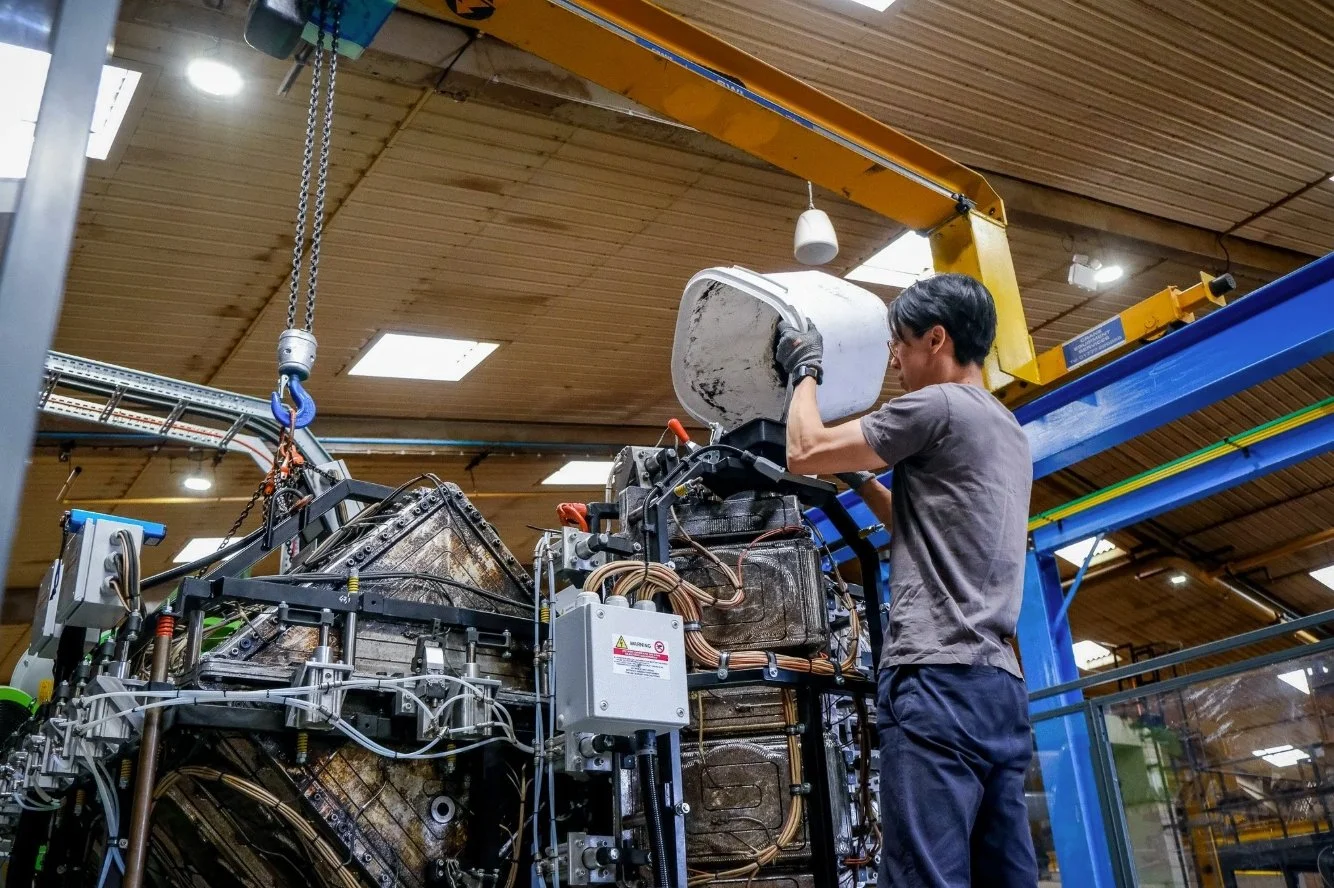
Rototek provides a complete service, from initial concept through to the finished product. Our approach to rotational moulding for agriculture focuses on delivering components that perform reliably in real-world farming conditions. We use high-quality polymers and precision tooling to create seamless, one-piece parts that are significantly more robust than welded alternatives.
THE PRECISION DESIGN AND TOOLING PROCESS
Most projects begin with a detailed 3D CAD design. From there, tooling is developed using fabricated steel, CNC-machined or cast aluminium moulds, which are engineered for accuracy and repeatability. We optimise wall thickness in high-stress areas such as corners, mounting lugs and load-bearing sections. This ensures the final product can withstand impact and the real conditions of a working farm.
SCALABLE PRODUCTION FOR LARGE-SCALE AGRICULTURAL NEEDS
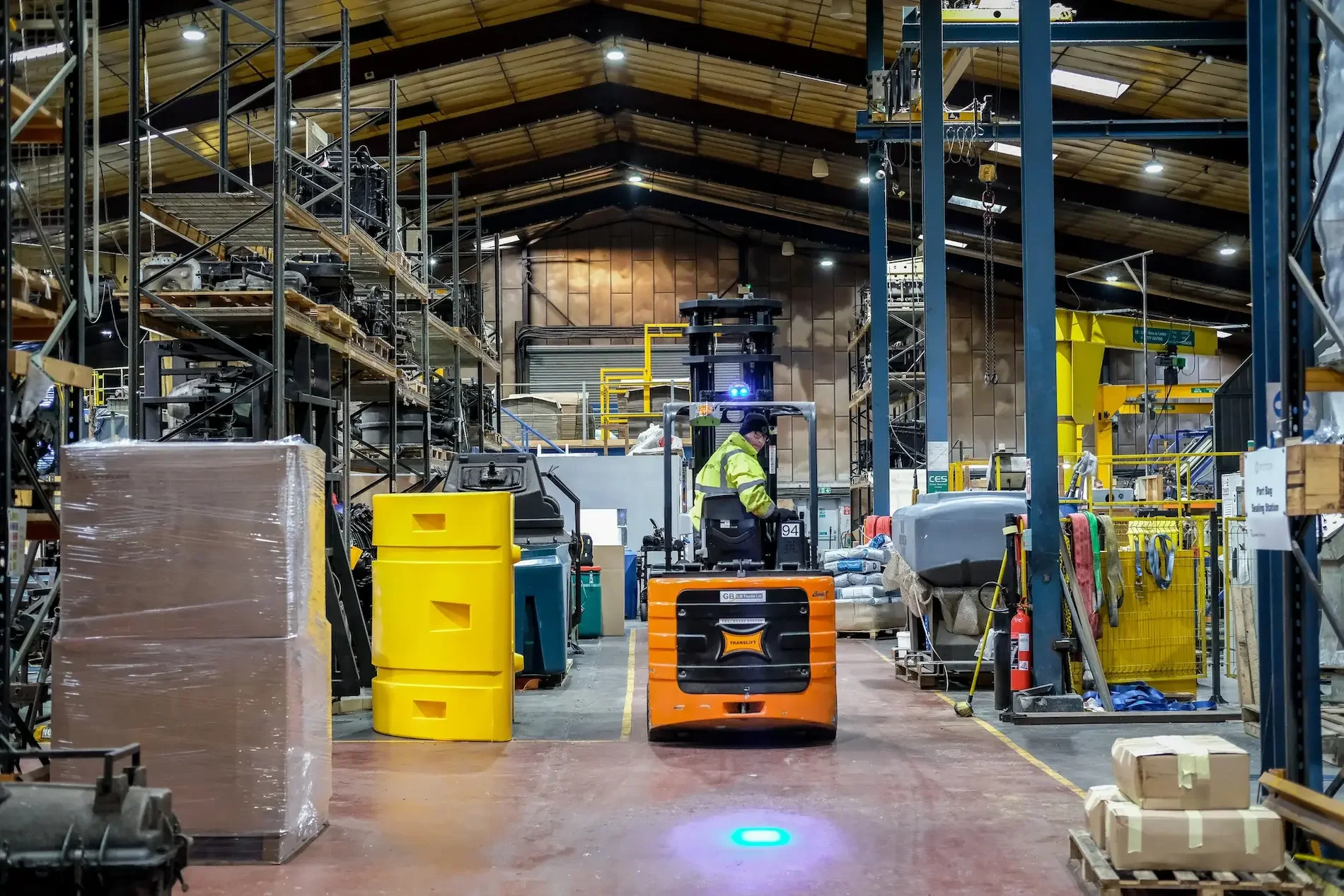
We support new product development and full-scale manufacturing for agricultural OEMs and contractors. Our production capability ensures a consistent, reliable supply chain for farming components, which supports long-term projects and ongoing operational requirements.
PARTNER WITH THE UK’S ROTATIONAL MOULDING FOR AGRICULTURE EXPERTS
Rototek combines technical excellence with a practical understanding of agricultural environments. Our approach to rotational moulding for agriculture focuses on delivering durable, reliable components that perform well over the long term. From initial design through to full-scale production, we work closely with you to ensure every product meets its intended application. With a proven track record in bespoke agricultural plastic moulding, we support farming businesses, OEMs and contractors with solutions that replace traditional materials and improve performance.
If you’re planning a new project or reviewing existing components, speak to our expert team early. We’ll help you identify the most effective solution and deliver parts built for real-world agricultural use.