
ROTATIONAL MOULDING FOR THE MARINE SECTOR
Manufacture durable, UV-stable, and corrosion-resistant plastic components for harsh marine environments. Contact us to discuss marine solutions.
Rotational moulding can achieve custom plastic parts that are designed to withstand saltwater, impact, UV exposure and demanding offshore conditions. At Rototek, we can manufacture durable, seamless marine components that don’t corrode and offer the buoyancy and strength required across the sector.
WHAT ARE MARINE ROTATIONAL MOULDING SOLUTIONS?
Marine environments are often unforgiving. Constant exposure to saltwater, UV radiation, impact and harsh weather places significant demands on equipment and components. Traditional materials such as steel can corrode, and other manufacturing methods often involve seams and joints, which create weak points that can lead to long-term maintenance issues.
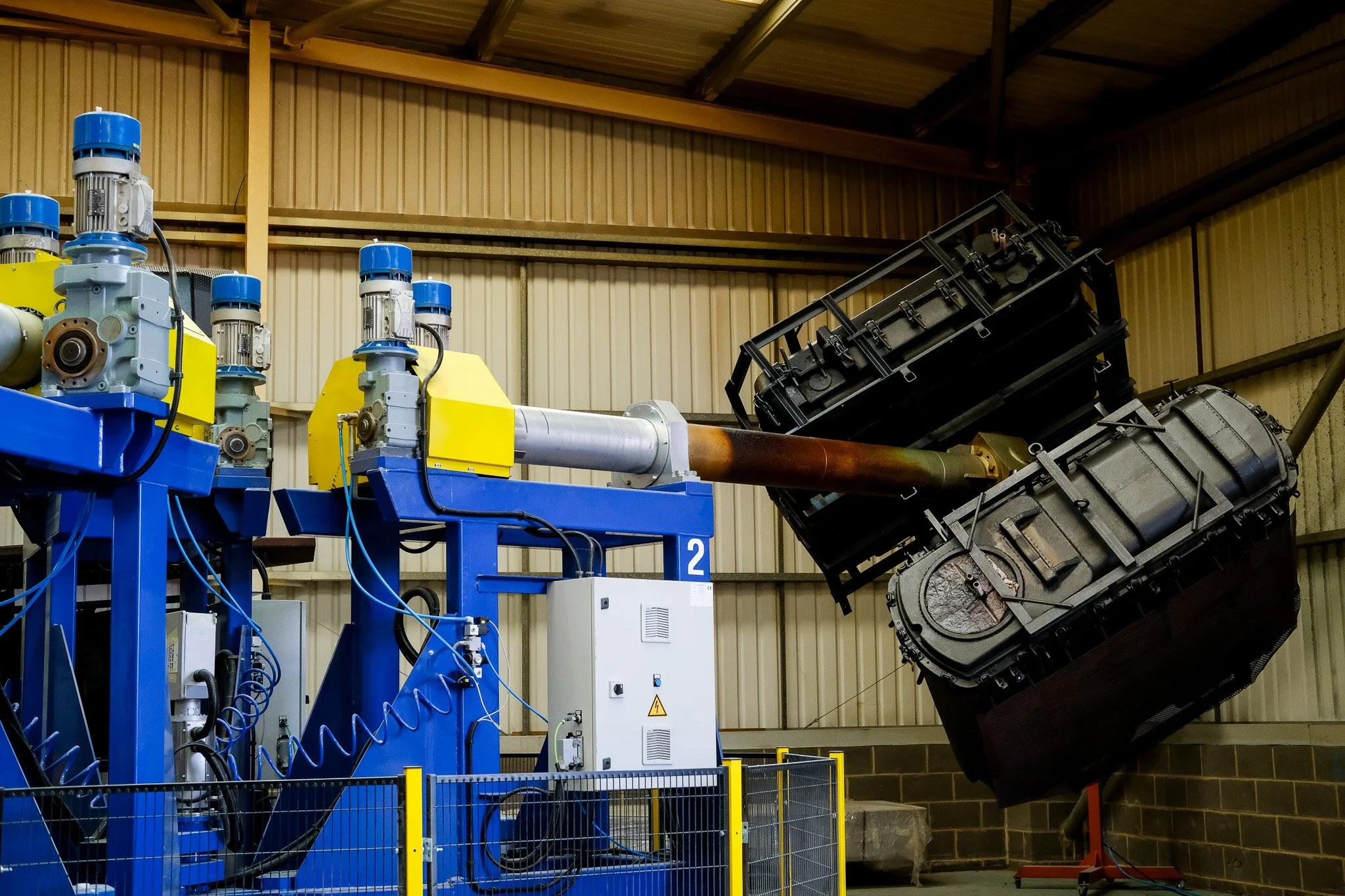
Rotomoulding produces hollow, seamless structures from high-performance polymers. The rotational moulding process enables us to create large, stress-free mouldings with exceptional durability and buoyancy, as well as excellent resistance to corrosion and chemical exposure. As a result, rotationally moulded parts will perform reliably in one of the world’s harshest operating environments.
SEAMLESS HULLS, PONTOONS AND BUOYANCY AIDS
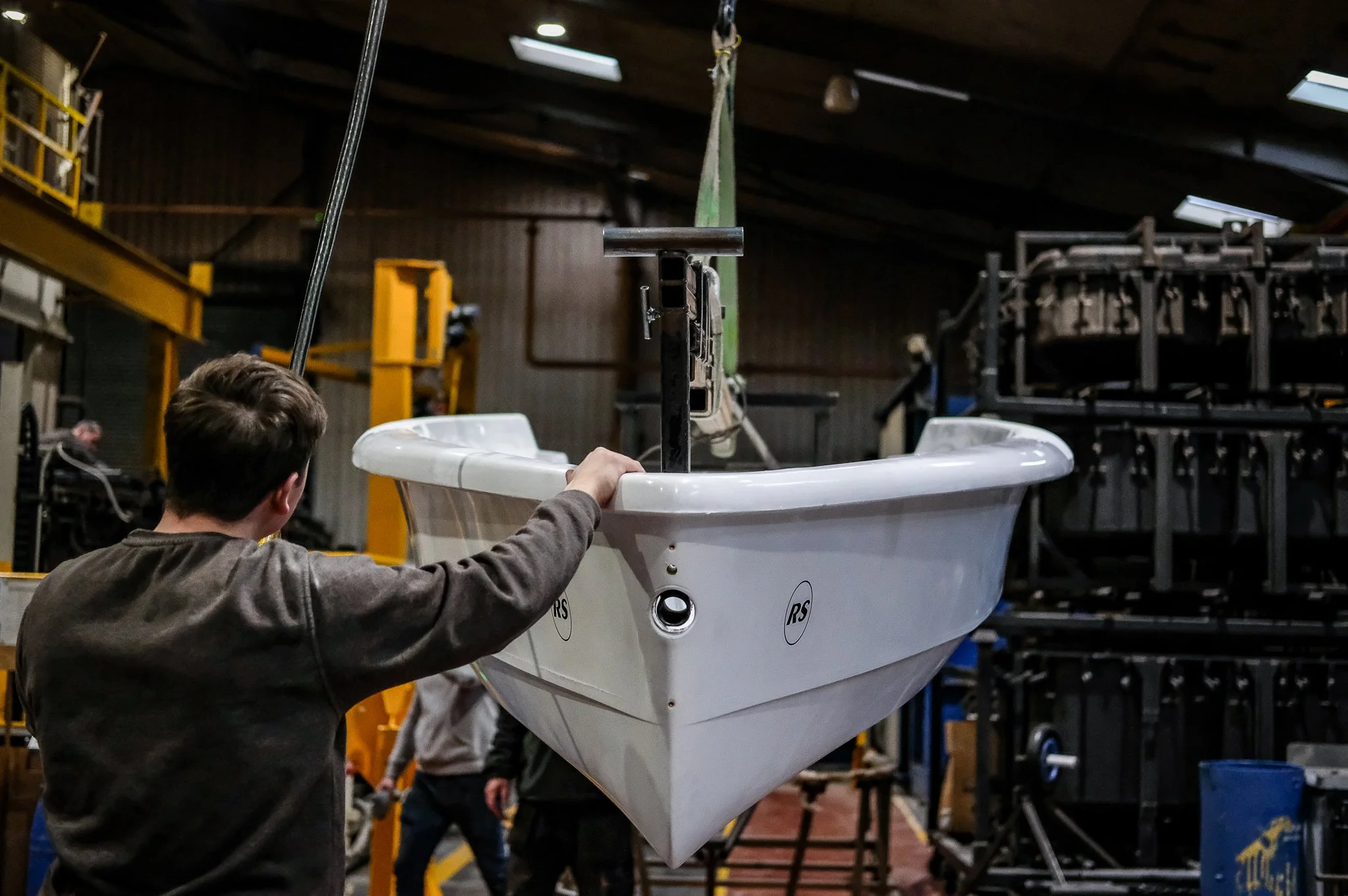
At Rototek, we can manufacture large one-piece buoyancy structures. Instead of metal components or assembled alternatives, seamless mouldings mean there are no welds, joints and potential leak paths. The resulting product is durable and inherently buoyant. This makes marine rotational moulding particularly well suited to:
Pontoons
Floating dock systems
Hulls
Buoyancy chambers
Workboat components
Safety and rescue equipment.
HEAVY-DUTY MARINE FUEL AND WASTE TANKS
Marine fuel and waste systems function in an environment where chemical exposure and corrosion are constant issues. Rotomoulded tanks are a reliable alternative to fabricated metal tanks because they eliminate corrosion risks and provide excellent resistance to diesel and saltwater. This means longer service life and reduced maintenance requirements.
TECHNICAL SPECIFICATIONS: ROTATIONAL MOULDING FOR MARINE-GRADE PRODUCTS VS. STEEL
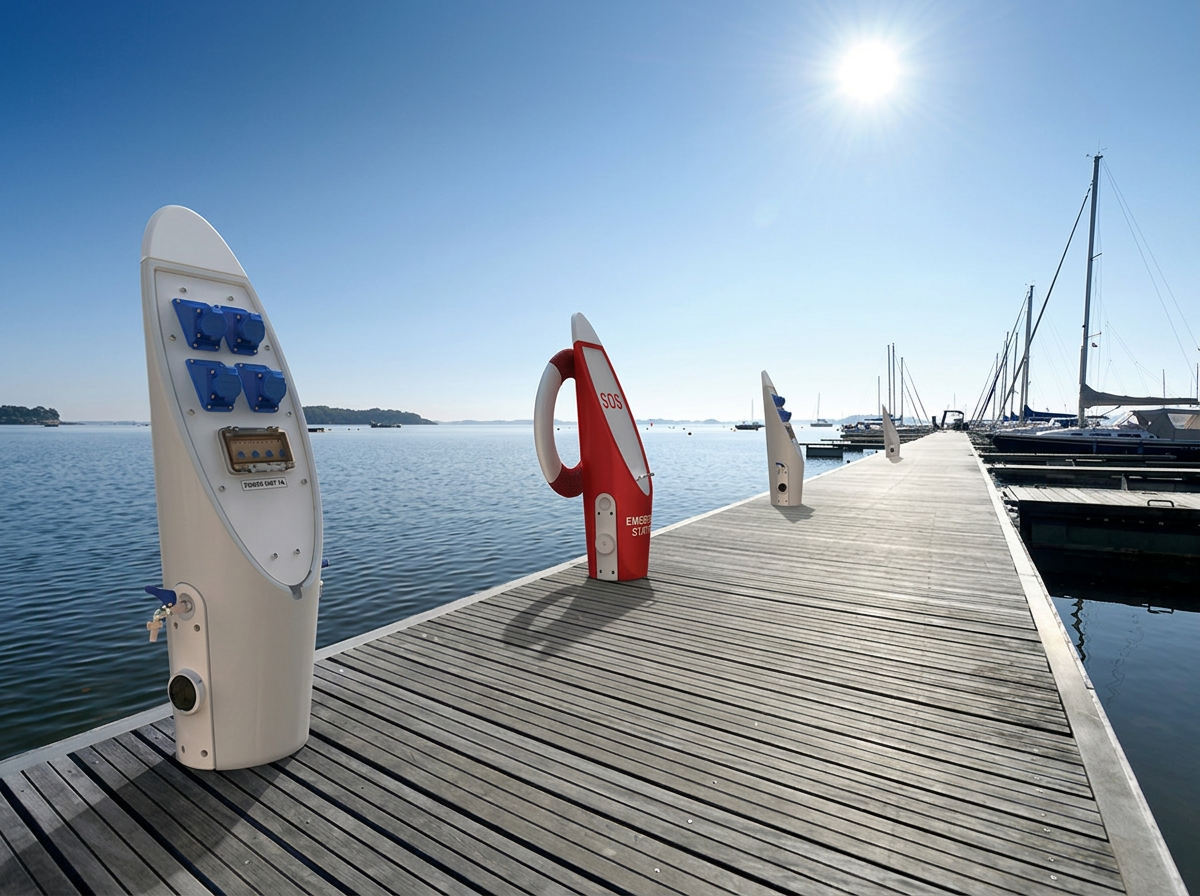
The performance benefits of rotational moulding for marine-grade products are clear when you compare polymers with traditional metals.
TECHNICAL COMPARISON ON MARINE-GRADE MATERIALS
Linear Low-Density Polyethylene (LLDPE) is often used in marine applications because of its durability and resistance to degradation. It doesn’t corrode in salt-air conditions, and it recovers from impacts that would deform rigid materials. Here is how steel compares to our rotational moulding materials in marine applications:
| Performance Factor | Marine-Grade LLDPE | Stainless Steel |
|---|---|---|
| UV Stability | UV-stabilised grades available with 8+ years of outdoor performance | No UV degradation, but can experience surface deterioration over time |
| Corrosion Rate | Not susceptible to corrosion | Can experience corrosion and pitting in aggressive saltwater conditions |
| Impact Recovery | Highly resilient to impact. Rotomoulded parts absorb impact that would typically cause other materials to dent or warp | Permanent dents and deformation possible |
| Weight | Lightweight | Significantly heavier |
| Maintenance Requirements | Minimal | Ongoing inspection and maintenance required |
| Buoyancy | Naturally buoyant | Requires additional flotation systems |
ADVANCED MANUFACTURING FOR OFFSHORE RELIABILITY
Marine equipment must perform consistently in demanding conditions. At Rototek, every project follows a structured design and manufacturing process focused on durability and long-term reliability. Our rotomoulding capabilities enable us to create seamless, one-piece structures that don’t include the weak points associated with welded or bolted assemblies.
ADVANCED DESIGN FOR HYDRODYNAMICS AND STABILITY
We work closely with our customers to ensure the wall thickness and overall structural performance aligns with the intended use of your product. We consider load distribution and operating conditions early in design and development to ensure your components are strong and stable. Our collaborative approach is particularly valuable for larger marine structures, where hydrodynamic performance and stability are critical design considerations.
MOULDING IN METAL INSERTS FOR SECURE MARINE FITTINGS
Marine components often require secure attachment points for equipment and hardware. Through rotomoulding, we can mould threaded metal inserts directly into the finished component during manufacture. This provides fixing points for:
Cleats
Rails
Navigation equipment
Deck fittings
Motors and ancillary systems.
The ability to incorporate these features during the finishing process lowers secondary operations and improves long-term reliability in demanding marine environments.
WHY MARINE-GRADE ROTATIONAL MOULDING OUTPERFORMS GRP
Glass Reinforced Plastic (GRP) has been used across the marine sector for many years, however, it’s not always the most durable solution.
PERFORMANCE COMPARISON: PE VS. FIBREGLASS
Although GRP is rigid, it can be susceptible to impact cracking, surface damage and osmosis-related issues over time. It can also degrade with UV exposure, with the exposed parts potentially needing maintenance or servicing to prevent UV-related deterioration. Rotational moulding provides a seamless structure that includes excellent impact resistance and flexibility. For applications exposed to repeated impacts and harsh weather conditions, rotomoulded polyethylene parts provide excellent long-term performance, especially relating to osmosis and impact cracking.
| Performance Factor | Rotomoulded Polyethylene | GRP (Fibreglass) |
|---|---|---|
| Impact Strength | High impact resistance | More brittle under impact |
| Corrosion Resistance | Excellent | Good |
| Osmosis Risk | None | Potential long-term issue |
| Maintenance | Minimal | Gelcoat repairs may be required |
| Repair Requirements | Low | Higher maintenance over product life |
| Recyclability | Recyclable | More difficult to recycle |
| UV Resistance | Excellent with stabilised grades | Can degrade over time |
BESPOKE PLASTIC SOLUTIONS FOR PORT AND VESSEL LOGISTICS
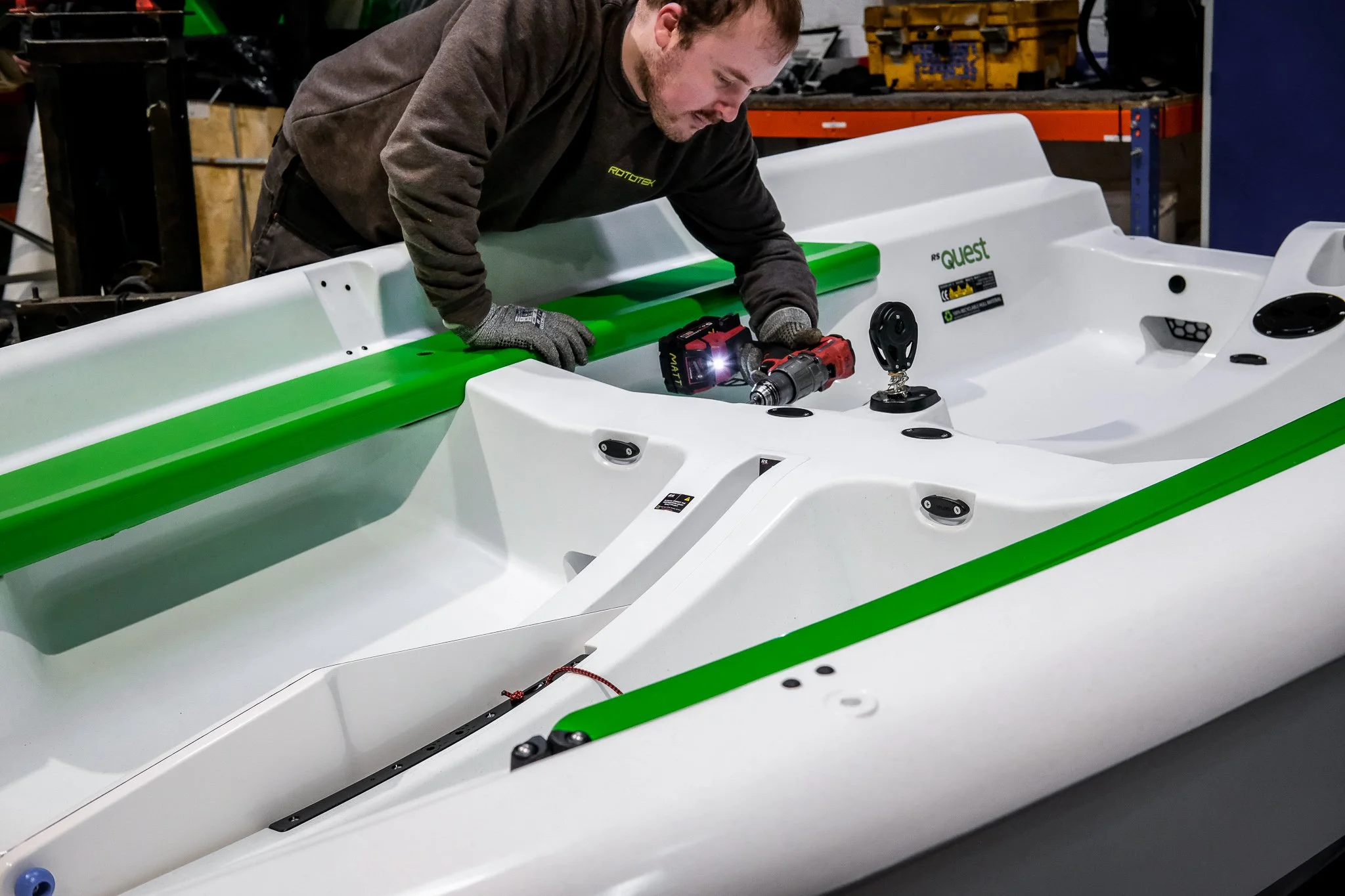
The versatility of marine rotational moulding includes more than simple tanks and flotation systems. Rotational moulding supports a wide range of specialist products used throughout ports, marinas, commercial vessels, modular dock systems, life-saving equipment, offshore facilities and even leisure marine applications.
MOULDED CASES FOR EMERGENCY AND NAVIGATION EQUIPMENT
Sensitive equipment and rescue items require protection from ingress and impact. Rotomoulded cases can provide durable protection for navigation systems, sensitive electronics and essential rescue equipment. Critical equipment is protected and kept functional in challenging conditions.
MODULAR PLASTIC EDGING AND FENDERS FOR MARINAS
Marine infrastructure must protect vessels and withstand constant contact and environmental exposure. Rotomoulded edging and fender systems absorb berthing impacts more effectively than rigid alternatives, and they don’t corrode over time. Their non-marking surfaces help protect vessel finishes during docking, which reduces maintenance requirements for marina operators and vessel owners. Rotomoulding offers considerable design flexibility, enabling components to be manufactured consistently and repeatably to meet the requirements of marine and harbour applications.
PARTNER WITH CUSTOM PLASTIC MARINE PRODUCT EXPERTS
For more than 30 years, Rototek has helped clients develop complex plastic parts for the world’s toughest environments. Our experience in producing large-scale mouldings, backed by our technical design expertise and advanced manufacturing capabilities, makes us a trusted partner for marine projects of every size. Our marine rotational moulding products are engineered to perform over the long term in applications where reliability is paramount.
If you’re planning a new marine project or working with an existing design, speak to our team about how rotomoulding can help reduce maintenance and prevent corrosion while improving long-term operational performance.