The Benefits of Rotational Moulding for Medical Applications
Medical settings place exceptional demands on the products and infrastructure used every day. Equipment must withstand continuous cleaning, exposure to aggressive disinfectants, regular impacts and years of heavy use. At the same time, procurement teams are under pressure to control costs while meeting strict quality, hygiene and sustainability standards. The manufacturing process for each healthcare component plays a vital role in achieving these objectives, influencing everything from long-term durability to maintenance requirements and overall product lifecycle costs.
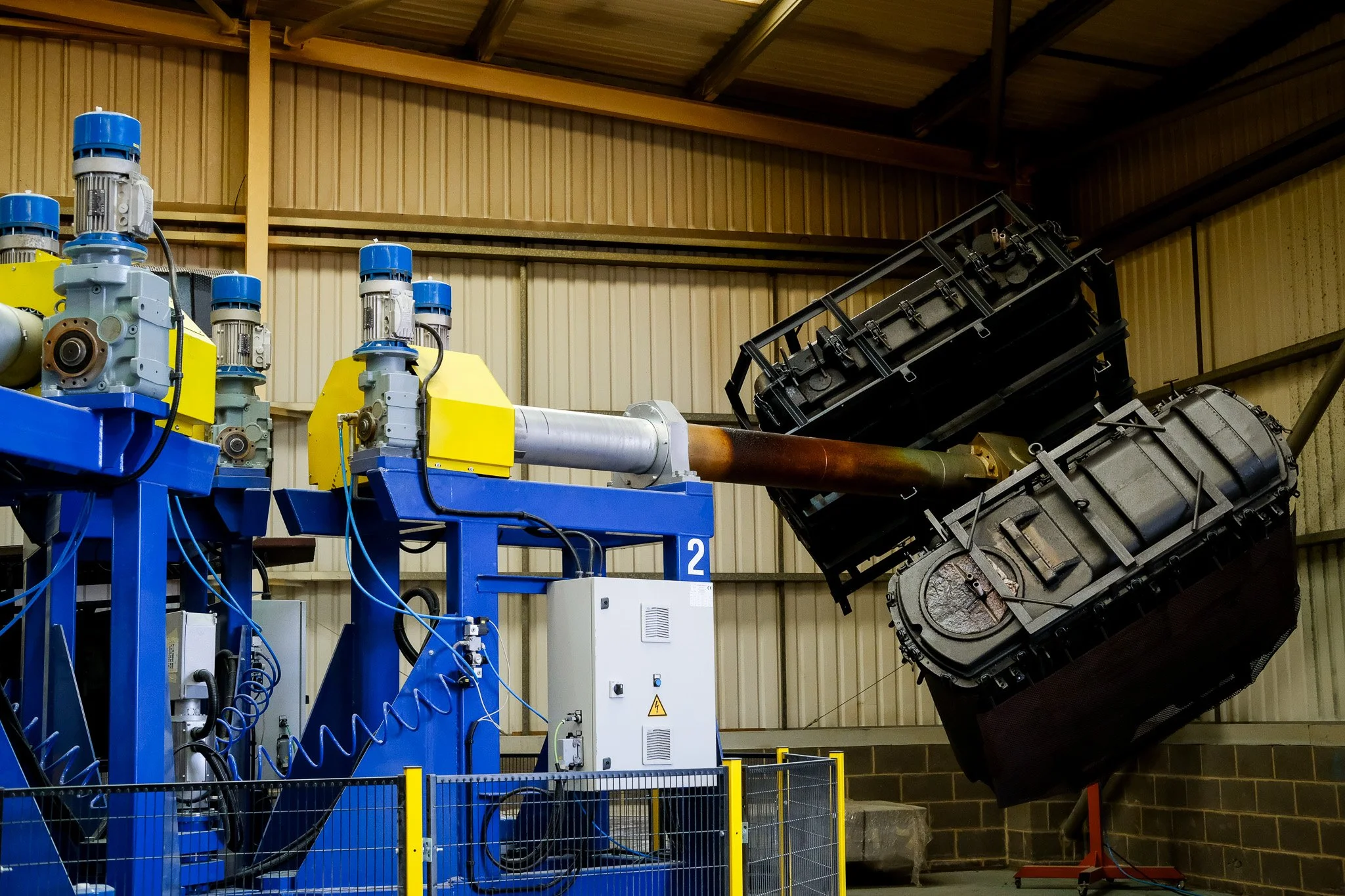
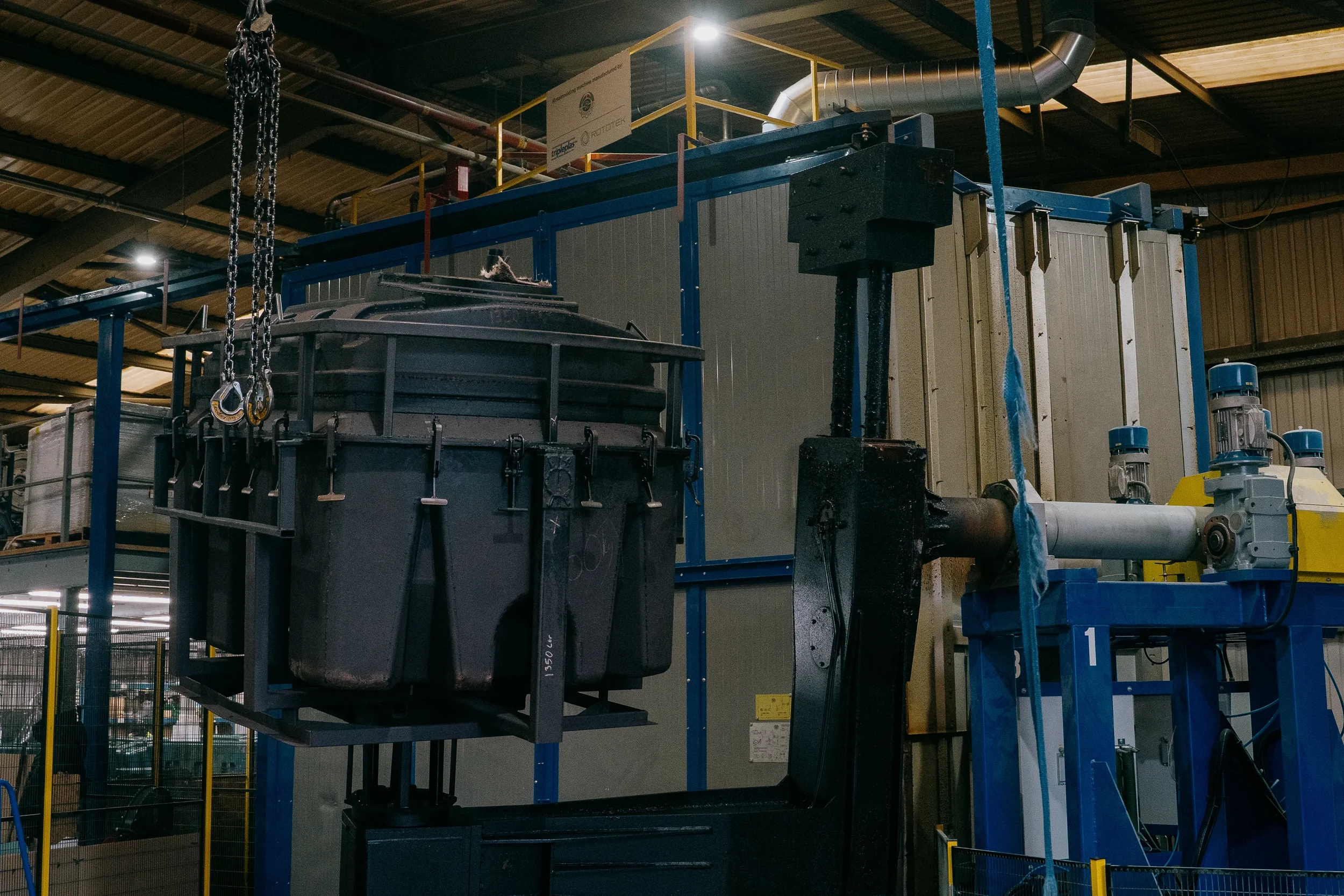
For many medical applications, rotational moulding is an excellent alternative to stainless steel fabrication and injection moulding in terms of the performance and safety of medical equipment. Rotomoulding produces seamless, hollow plastic components that are durable and chemically resistant to harsh cleaners. These components are also commercially viable for low- to medium-volume production. The process gives you design freedom for complex medical items while reducing tooling costs and simplifying production. These are just some of the key benefits of plastic moulding for healthcare, and why more medical organisations are considering rotomoulding for custom medical products.
1. SEAMLESS, HYGIENIC DESIGN
Infection prevention starts with product design and structural integrity. Surfaces that are difficult to clean create opportunities for bacteria, debris, dust and pathogens to accumulate, increasing cleaning time and making effective sanitisation challenging. Additionally, in hospitals specifically, furniture and equipment are exposed to wear and tear daily, with patients and staff moving them around and using them regularly. One of the benefits of plastic moulding for healthcare is that rotomoulding produces seamless, one-piece components. There are no welded joints, mechanical fasteners or internal crevices where contaminants can collect. Smooth external surfaces enable quicker, effortless washdowns and support the demanding hygiene standards required in hospitals, laboratories and pharmaceutical facilities.
The medical-grade polyethylene used in rotational moulding also performs well under repeated exposure to harsh clinical detergents and isopropyl alcohol. It will not rust or degrade like steel, and it maintains its appearance far better than painted or coated materials that can chip or deteriorate over time, especially when exposed to sterilisation chemicals or disinfectants. At Rototek, we’ve produced bedside cabinets used in hospitals, which are easy to clean due to their seamless surface. The plastic material also means these cabinets are robust and can be moved around easily and used repeatedly in busy healthcare settings without denting, getting damaged, or needing to be replaced.
2.LOW-COST, HIGHLY EFFICIENT TOOLING
Tooling is often one of the largest upfront investments in any new product, particularly in injection moulding. Rotomoulding offers a more economical alternative. Aluminium tooling is less expensive to fabricate or cast than the hardened steel tools required for injection moulding. This reduces initial project costs and makes design revisions more practical if products need to be changed during development.
The commercial advantages make rotational moulding particularly well-suited for specialist laboratory equipment and custom healthcare fixtures that don’t require significantly high production volumes. Manufacturers can invest in product development while maintaining flexibility for future improvements. For procurement teams managing budgets along with performance requirements, this is one of the most significant benefits of plastic rotational moulding.
3. DESIGN FLEXIBILITY AND PART CONSOLIDATION
Medical equipment often doesn’t follow standard dimensions. Diagnostic systems, mobile healthcare units, procedure trolleys, and laboratory infrastructure require complex shapes that must fit around sensitive internal components while remaining easy to clean and maintain. Rotomoulding accommodates these requirements with far fewer design restrictions than many alternative manufacturing methods. Large housings, changing tables, medical waste carts and structural equipment enclosures can all be manufactured as single hollow components, something that would be expensive to achieve with injection moulding and will often exceed what standard injection tooling can produce at all.
The process also supports integrated features that reduce the number of individual parts required. Mounting points, reinforcing ribs, threaded inserts, undercuts, integrated features and complex hollow geometries can all be incorporated into a single moulding. Consolidating multiple fabricated panels, metal brackets and frames into one component reduces assembly time while removing potential points of structural failure. These capabilities are advantages of medical plastic moulding that ensure cost savings and design flexibility.
For example, at Rototek, we’ve produced custom moulded components for clinical simulation and medical training applications where anatomical accuracy is essential. This project involves complex geometries designed to replicate the parts of the human body with a high degree of realism (such as veins and tumours). The rotomoulded structure can even be combined with silicone outer layers to create lifelike ‘skin’ for training in healthcare settings.
4. LIGHTWEIGHT STRUCTURAL STRENGTH
Weight directly affects how medical equipment performs throughout its service life. Lighter products are easier to transport, install and move within healthcare facilities. They also reduce shipping costs and improve day-to-day usability for clinical staff. Rotomoulding allows heavy fabricated metal assemblies to be replaced with lightweight polymer structures without sacrificing durability. Polyethylene absorbs impacts that would dent or permanently deform sheet metal so that equipment can withstand the demands of busy clinical environments. This makes rotational moulding particularly suitable for medical carts, equipment housings, storage units and other products that are moved around regularly.
The natural design flexibility of rotomoulding also allows engineers to place material where it works best, producing components that remain structurally robust while avoiding unnecessary weight. These benefits of plastic moulding for healthcare deliver products that are easier to handle in busy medical settings, such as the filtration unit tanks we manufacture for use in laboratories.
5.BETTER BRANDING OPPORTUNITIES
Medical equipment often requires permanent identification, safety information, operating instructions and regulatory markings that must remain legible throughout years of use. Rotomoulding supports in-mould graphics and textures, allowing branding and vital information to be a permanent part of the finished component. These graphics are embedded into the material, so they are resistant to cleaning and harsh chemicals, and they don’t leave an edge that can trap contaminants or peel away from the product.
As they’re chemically bonded to the plastic, in-mould graphics can’t peel away, wear off, be removed or create edges where dirt and bacteria can accumulate. These branding capabilities also reduce maintenance and replacement costs over the product’s lifetime and enable manufacturers to maintain a consistent professional appearance, even when products are exposed to frequent cleaning with aggressive disinfectants. For organisations looking to maximise the benefits of plastic rotational moulding, permanent branding creates both aesthetically pleasing products and an opportunity to include important information within mouldings.
6. IMPROVED STRUCTURAL RIGIDITY AND THERMAL INSULATION
At Rototek, we manufacture double-walled structures that provide superior rigidity without significantly increasing product weight as a result. These hollow sections absorb impacts effectively and create components that remain stable in demanding operating environments. Where applications require additional performance, those cavities can be filled with polyurethane foam or other insulating materials.
This foam improves thermal performance for products such as vaccine transport carriers, temperature-sensitive medicines, and specimen storage units, where maintaining a stable internal temperature is important. These double-walled structures can also reduce noise by lowering vibration from motors and pumps often used in specialist medical devices. These advantages of medical plastic moulding allow us to engineer products that perform better in healthcare settings while reducing reliance on secondary materials or complex fabricated assemblies to achieve rigid structures.
WHY MORE HEALTHCARE MANUFACTURERS ARE CHOOSING ROTATIONAL MOULDING
Medical products must balance hygiene, durability, performance and commercial viability. Rotomoulding achieves this by combining seamless construction, lower tooling costs and design flexibility within a single manufacturing process. It allows you to produce robust, lightweight components that withstand the demands of healthcare settings while remaining commercially viable for specialist products and low- to medium-volume production.
With more than 30 years of rotational moulding expertise, Rototek helps healthcare organisations and medical device manufacturers turn complex design requirements into reliable, production-ready components. Our ISO 9001-certified manufacturing process and commitment to responsible manufacturing as a certified B Corp ensure every project is delivered to the highest standards of quality and consistency.
If you’re exploring the benefits of plastic moulding for healthcare for your next project, our in-house design team can help you develop components that meet your technical and commercial requirements. Contact us to discuss your next project.