

Rotational Moulding Applications Explained Across Key Industries
When you’re specifying plastic components for industrial or commercial use, the application usually dictates the manufacturing process. Products that need to perform well outdoors, handle impact or store liquids over long periods place significantly different demands on materials and production methods. Rotational moulding is widely used in these environments because it produces durable, hollow plastic products that withstand real-world conditions.
From large storage tanks to protective housings and specialist equipment, rotomoulding supports a broad range of use cases where reliability and longevity matter. These range from healthcare and construction to marine and agriculture. Across these industries, rotational moulding applications are defined by practical performance requirements: how a product needs to perform over time.
Where Rotational Moulding Fits in Plastic Manufacturing
Rotational moulding can be compared to other plastic manufacturing methods, such as injection moulding and vacuum forming, but it serves a different purpose. It’s used for hollow industrial and commercial products where strength and durability are important. Many rotational moulding applications involve products that need to perform reliably in outdoor, high-impact or chemically exposed environments. As a result, our process is widely used in sectors where plastic components need to withstand long-term use rather than short product lifecycles.

Common Product Types Made Using Rotational Moulding
Rotational moulding can be used to make a broad range of functional products across multiple industries. At Rototek, these rotational moulding applications span a wide range of sectors.
We’ve manufactured:
Small, easy-to-clean components for healthcare environments
Large, durable products for marine and industrial use
Automotive and transport components
Agricultural storage and equipment
Construction and site welfare products
Toys, sporting goods and leisure equipment
Caravan and caravan components
Food industry products
Equestrian equipment
Furniture and specialist items
Packaging, filtration and storage solutions.
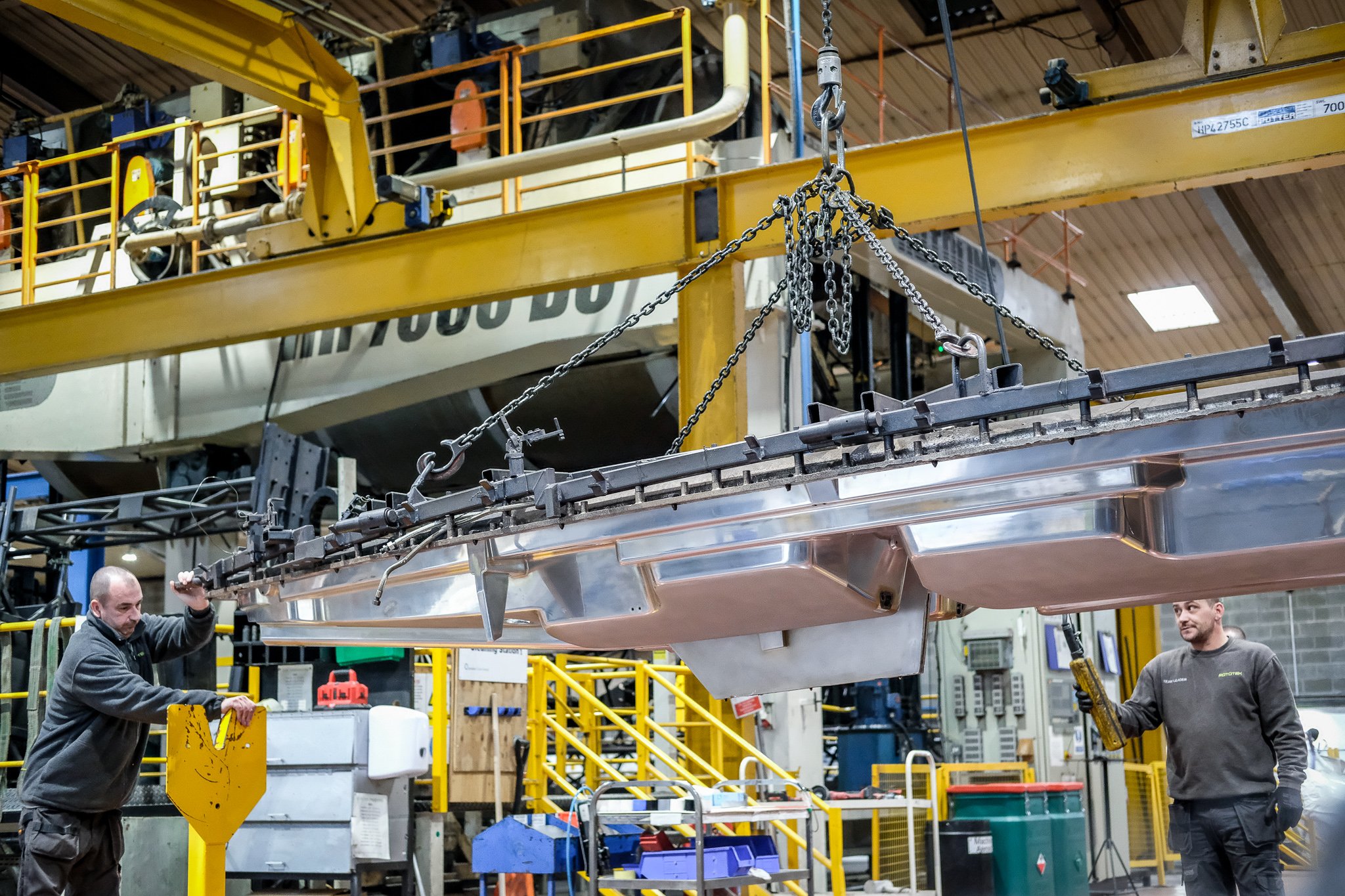
Rotational Moulding Applications by Industry
Below are some examples of industries for which rotational moulding is widely used.
Healthcare
In healthcare settings, plastic components need to be durable, hygienic and easy to clean. Common applications include housings, containers and equipment covers that can withstand regular cleaning and daily use. We can also add anti-microbial additives to the material before moulding, which inhibits the growth of bacteria on the surface of molded products.
Marine
Marine environments place constant demands on materials. Products used in this sector are often exposed to extreme weather conditions ranging from water, UV radiation and temperature variation. Rotational moulding is commonly used for tanks, floats and structural components designed to operate in these conditions. We can also add UV additives to the material which enhance the final product’s resistance against UV radiation from sunlight. This can also prevent product degradation, discoloration and brittleness due to prolonged sun exposure.
Automotive and transport
In automotive and transport applications, rotational moulding is used for specialist and commercial vehicle components. These include storage tanks, protective housing and auxiliary systems where durability and reliability are required.
Agriculture
Agricultural and rural environments require equipment that can withstand outdoor exposure and regular handling. Common rotational moulding applications in this sector include water tanks, feed containers and equipment housings used for farming operations.
Construction and site welfare
Construction sites rely on durable, practical equipment. Rotational moulding can be used to produce storage units, protective covers and welfare products that can handle tough site conditions and repeated use.
Leisure, furniture and specialist products
Rotational moulding is also widely used in leisure and consumer-facing products. This includes outdoor furniture, playground equipment, caravans and niche specialist items where durability and weather resistance are important.

Production Context for Rotational Moulding Applications
Our production volumes typically range up to 5,000 units per tool per year (larger quantities would require multiple tools), depending on the product you need and its design. This makes the process suited to medium-volume production and product ranges with multiple variations. Many rotational moulding applications involve bespoke or variant-led designs, where products are adapted to suit different capacities, environments or end uses.
The lifespan of these products is also an important factor to think about. Rotomoulded components are designed to last for many years. We’ve seen that plastic oil tanks are now more popular as they have a longer lifespan than traditional steel alternatives, particularly because they’re exposed to outdoor elements for years. This focus on durability makes rotational moulding a practical choice for products that need to perform consistently over time.
Rotational Moulding Materials for Your Product
Your choice of rotomoulding materials plays a key role in determining how products perform in real-world environments. A range of rotational moulding materials can be used depending on the application. Polyethylene and polypropylene are commonly specified materials, and we can use different grades to meet your product's requirements.
For example, rotational moulding materials like polyethylene are often used for storage tanks, containers and outdoor equipment, while you could select polypropylene for applications that need higher temperature resistance or improved stiffness. Rather than focusing on material properties in isolation, most rotational moulding applications are based on how the materials perform in use. Our goal is to ensure the final product meets the demands of its environment over time.
When Rotational Moulding Is the Right Choice
Rotational moulding is a strong choice where products need to be:
Hollow and structurally robust
Resistant to outdoor or harsh environments
Produced in moderate volumes
Designed for long-term use.
However, the process isn’t always the right fit. For significantly high-volume production or parts requiring extremely tight tolerances or fine detail, other manufacturing methods such as injection moulding may be more appropriate. Selecting the right manufacturing process depends on your product requirements, expected volumes and how you want the item to perform.
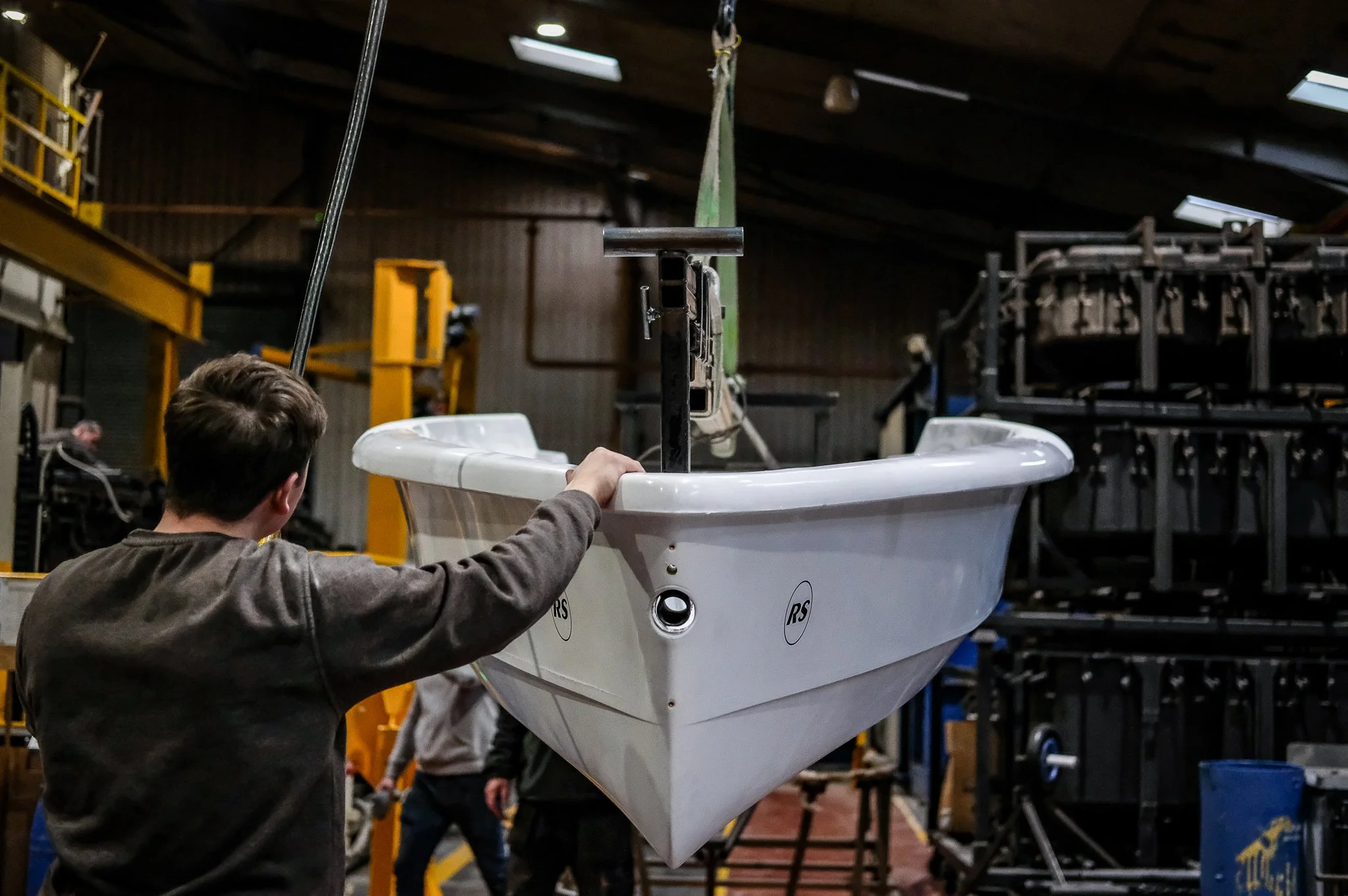
Durable, Reliable Plastic Products That Last
Across industries, rotational moulding is a widely used manufacturing method. From healthcare and agriculture to marine, construction and transport, it supports a broad range of applications where durability and reliability are essential. We’re seeing the range of rotational moulding applications continue to expand as more industries recognise the benefits of producing strong, long-lasting plastic components.
At Rototek, we work with designers and engineers to deliver reliable plastic products for a wide range of applications. Our experience across multiple sectors means we can support projects from initial concept through to full production. If you’re evaluating manufacturing options for a new or existing product, our team of over 100 employees can help you decide if rotational moulding is a good fit for your needs.