Why Rotomoulded Parts Are Quietly Powering Plastic in the Construction Industry
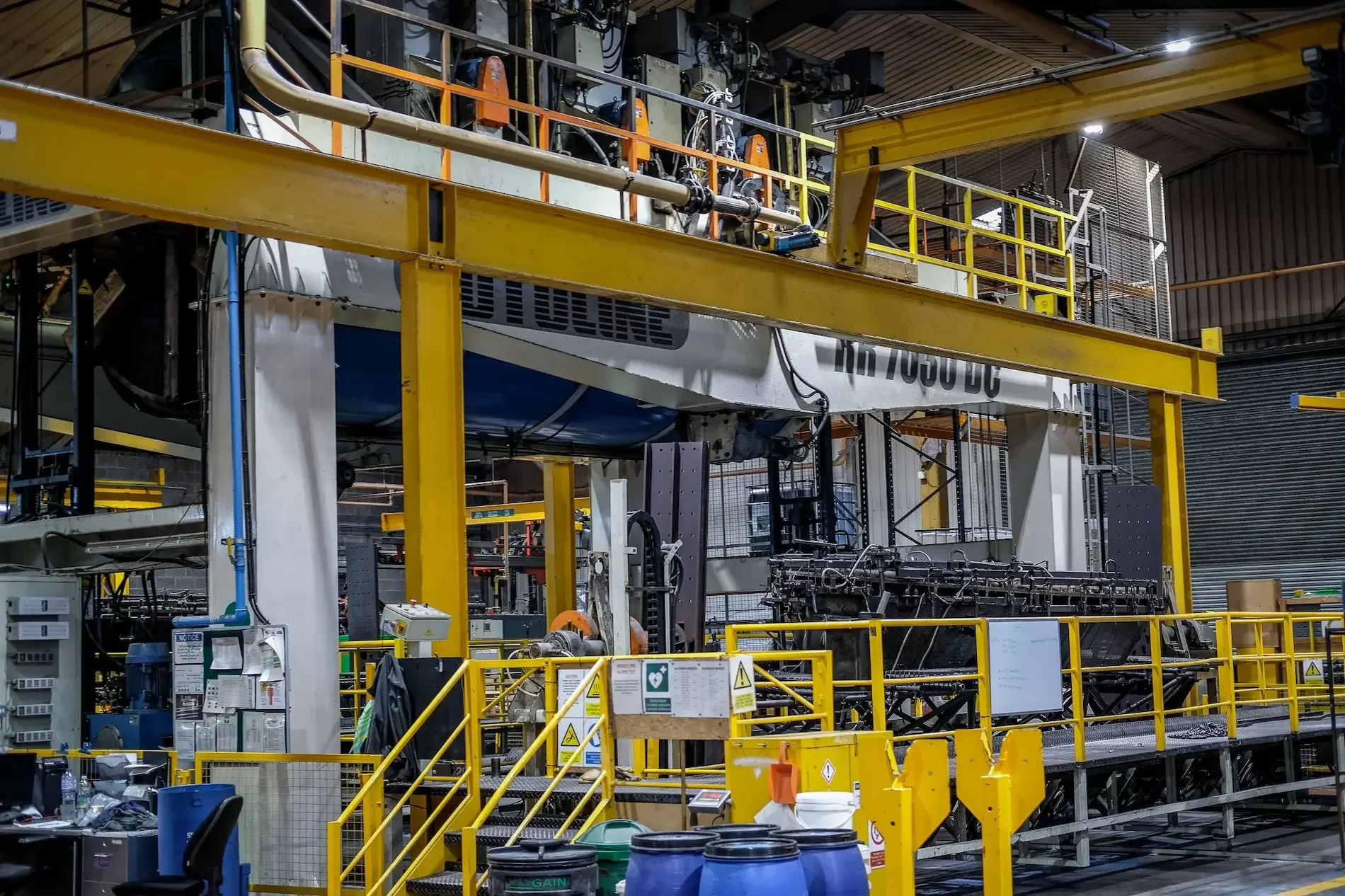
Walk onto any construction site in the UK and you'll see steel everywhere. But look closer and you'll notice something else: more plastic components than you might expect: heavy-duty water tanks that won’t corrode, chutes, vehicle internals and site equipment that keep projects moving. The role of plastic in the construction industry is changing as more construction and industrial equipment manufacturers switch from steel to rotomoulded plastic.
Rotational moulding produces custom plastic parts that are tough, long-lasting, cost-efficient and designed for the rough conditions found on construction sites.
Introduction to Rotomoulding in Construction
Construction is harsh on materials. Constant impacts, mud, water, cement dust, UV exposure, inclement weather, and chemicals all take their toll. Traditional steel components and metal fabrications corrode, dent and need repainting or replacing. Plastic construction materials, when engineered properly, behave very differently. Plastic parts don’t need constant maintenance.
The uses of plastics in construction are expanding beyond cladding and pipes. Rotomoulding creates hollow, seamless plastic parts with even wall thickness and no internal stress. That makes them ideal for tanks, housings, and structural components that need to survive outdoors for years without leaking, cracking or rusting.
What is rotomoulding?
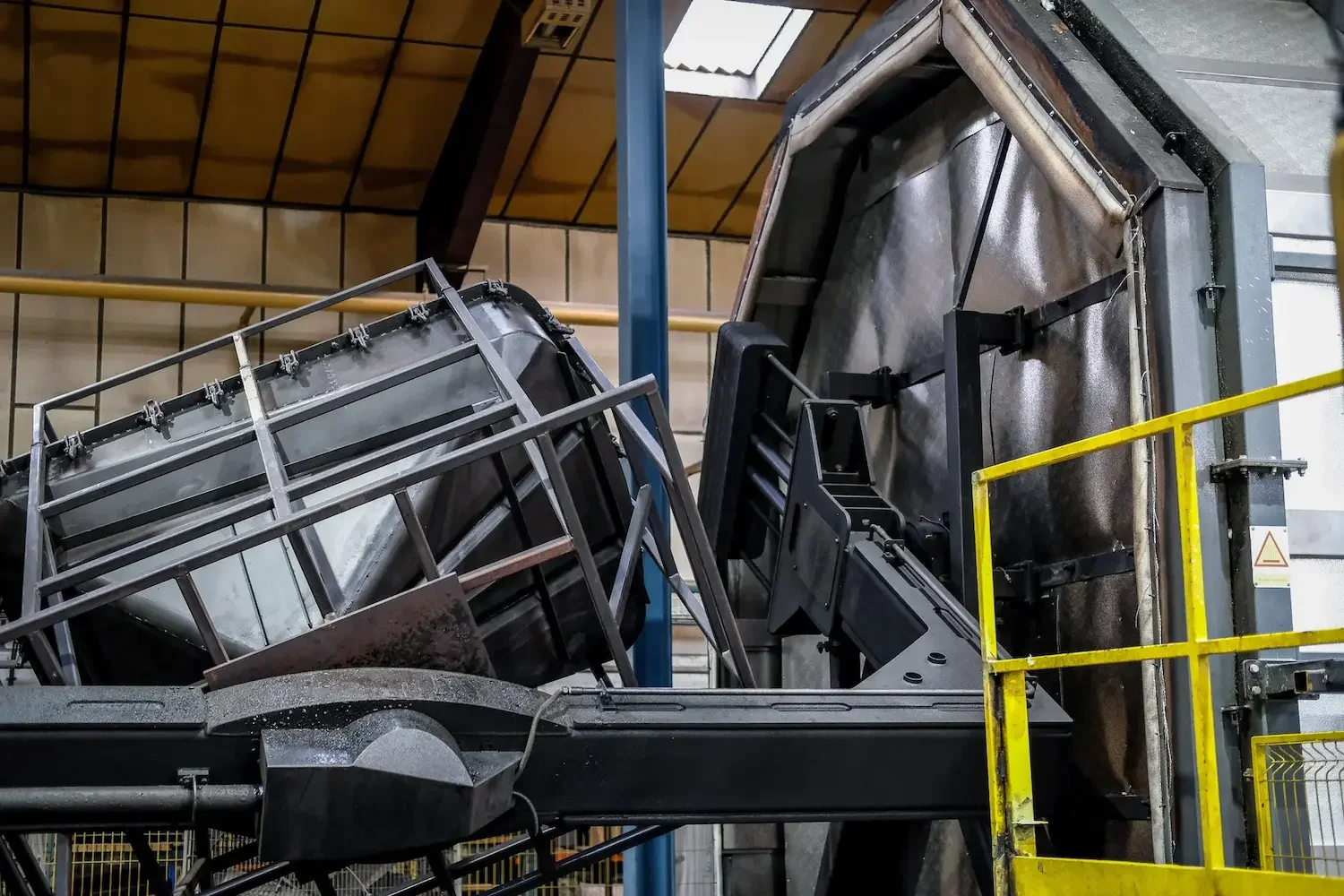
Rotational moulding is a manufacturing process that creates hollow plastic parts by heating a powdered plastic polymer inside a rotating mould. As the mould turns on two axes, the powder melts and coats the interior surface evenly. Cool it down, open the mould, and you have a seamless part with uniform wall thickness throughout.
A rotomoulded water tank is one continuous piece of plastic. The manufacturing process creates minimal internal stress compared with other plastic moulding methods and allows thicker, more durable walls, with no weak corners or joints where things leak or crack under stress. Plastic for construction applications means consistent strength and predictable performance across every unit. As rotomoulding removes the need for fabrication, welding and painting, like steel tanks can require, parts can be produced much faster.
Rotomoulding on Construction Sites
Steel still has its place, but rotationally moulded products can solve a lot of problems within the construction industry:
No corrosion issues (water tanks, sewage systems, and chemical storage won't rust or degrade from the contents they're designed to hold)
No rust or flaking paint in wet or salty environments
Seamless construction – no welds to fail, no joints to leak, and no assembly required for basic containment
Easier cleaning (smooth plastic surfaces don't let cement, mortar, or other materials stick the way steel does)
Chemical resistance (diesel, oils, cleaning chemicals, and site runoff won't eat through the material).
These are practical advantages that matter when equipment is dragged, dropped, filled with rubble, or left out in the rain for months on end.
Why use rotomoulded plastic parts on construction sites instead of steel?
One word: durability. In a recent project, we converted a cement mixer drum from steel to rotomoulded plastic. The client filled it with bricks and rubble to test it and, instead of denting (like the steel would), the plastic drum absorbed the impacts and bounced back. The material flexes under load rather than permanently deforming, maintaining structural integrity in an environment where parts are constantly under stress.
The lower weight of plastic parts (versus steel) also means less strain on workers, vehicles and mounting points – a big plus for the use of plastic in the construction industry. That's not just easier handling – it's reduced fuel consumption for vehicles, lower structural loads and faster installation times.
Common Rotomoulded Components on Construction Sites
If you're specifying equipment or managing procurement for construction projects, you've likely encountered rotomoulded components already. From modular bund systems to portable toilet internals, the uses of plastics in construction have grown to include parts across multiple site applications.
Rotomoulded tanks – water, sewage and diesel
Water tanks, septic systems and diesel tanks for industrial equipment are commonly rotomoulded because they are seamless and watertight, and the chemical resistance means the contents won't degrade the container. Rainwater harvesting systems on sites increasingly use rotomoulded tanks because they can handle outdoor exposure and resist weathering well.
Chutes and mortar tubs
Concrete pouring chutes and waste chutes for scaffolding take constant pummelling. Rotational moulding produces chutes that can handle impact without cracking and resist the abrasive materials flowing through them. Mortar tubs similarly benefit from the combination of durability and easy cleaning.
Mudguards, wheel arches and vehicle internals
We've developed mudguards and wheel arches for dumper trucks and cab internals (even roofs) because plastic parts endure the general punishment that agricultural and construction vehicles endure.
Why choose rotomoulded plastic for building site tanks, mudguards and chutes?
The common thread through all these applications is the combination of durability, containment integrity and practical performance without sacrificing strength. Rotomoulding can produce parts that are lighter and more resilient than traditional steel alternatives.
Comparing Rotomoulding vs. Steel
The choice between rotomoulded plastic and steel isn't always obvious. Both materials have roles on construction sites…
Benefits of heavy-duty plastic construction equipment vs. steel
Rotomoulded components are designed to withstand rough conditions. Compared with fabricated steel, plastic parts used within the construction industry keep working with far less attention from maintenance teams. Here's a comparison table of plastic construction materials compared to traditional steel:
| Feature / Consideration | Rotomoulded Plastic | Steel |
|---|---|---|
| Corrosion | Excellent – immune to rust and chemical damage | Poor – prone to corrosion without coatings, maintenance, and eventual replacement |
| Impact | Resilient – bounces back from impacts | Permanent denting and deformation |
| Containment integrity | Excellent – seamless construction, no leak points | Good – depends on weld quality and ongoing inspection |
| Weight | Up to 80% lighter than equivalent steel | Heavy |
| Cleaning | Smooth, non-stick surfaces | Cement and dirt adhere |
| Chemical exposure | Resistant – withstands most site chemicals | Vulnerable – requires protective coating |
| Maintenance | Minimal | Regular – rust treatment, repainting, weld inspections |
| Lifespan in harsh conditions | Long – material doesn't degrade from exposure | Variable – depends heavily on maintenance |
| Joints | One-piece moulding with no seams | Welded or bolted assembly with potential failure points |
| Initial cost | Moderate – tooling affordable, material cost competitive | Variable – fabrication is labour-intensive for complex shapes |
| Long-term cost | Lower – minimal maintenance, no coating or rust treatment | Higher – ongoing maintenance, coating, eventual replacement |
| Installation | Simple – lightweight reduces equipment and labour needs | Heavy – requires lifting equipment, more complex mounting |
Cost efficiency over time
Procurement decisions often focus on purchase price, but the real cost includes maintenance, replacement and downtime. Steel might look cheaper upfront, but rust coatings, repainting and replacements add up. Rotomoulded plastic construction materials stay in service longer with far less intervention.
Safety and site management advantages
Site managers care about keeping workers safe and projects moving. Lighter components mean fewer lifting injuries and less need for heavy equipment during installation or maintenance. When steel rusts, it weakens and can fail unexpectedly, potentially causing injuries, whereas plastic products avoid corrosion-related failures.
The Future of Plastic in Building Construction
As sustainability and whole-life cost come into sharper focus, plastic in building construction will keep growing. Better polymers, recycled content and smarter design are making rotomoulded parts even more attractive.
Building better with rotomoulded components
For hollow containers, chemical-resistant equipment, impact-resilient components and systems where corrosion is a concern, rotomoulding produces parts that genuinely outperform traditional steel. If you're specifying equipment, evaluating suppliers, or redesigning components for construction applications, it's worth looking at what rotomoulding can do. Get in touch with Rototek to discuss your next project.