Custom Plastic Moulding vs. Metal: Corrosion and Weathering Resistance
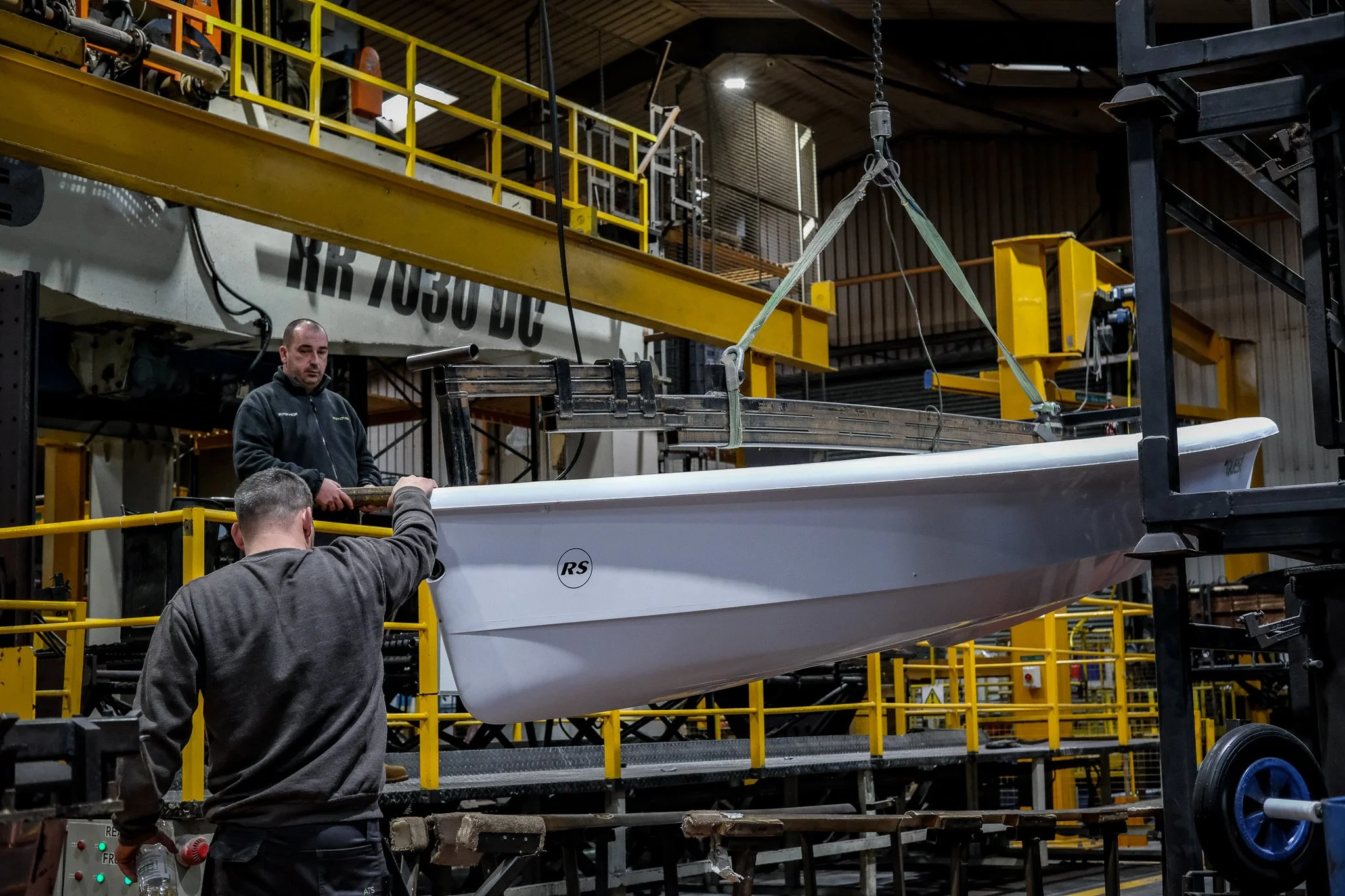
When you're specifying materials for equipment that will face harsh weather, chemical exposure, or marine environments, you have to take the silent forces that shape material performance over time into account: corrosion and weathering. When comparing plastic vs. metal, it’s not just about material strength or cost – you need to consider longevity, resilience, and the material’s ability to withstand moisture, salt, UV exposure, and temperature extremes year after year, particularly when assessing whether custom plastic moulding is the right solution for long-term performance.
Often, the wrong material choice can lead to premature failures, costly maintenance cycles, and frustrated end users. At Rototek, we help procurement teams specify the right materials for challenging environments. As a specialist rotomoulding manufacturer, we know that the right material for the application can deliver robust, corrosion-proof plastic parts that outperform traditional metals in many applications. Here's what you need to know to make the right call for your next project.
Why Corrosion and Weathering Matter for Material Choice
Material failure doesn't just mean replacement costs. When a tank starts leaking, a housing cracks or protective equipment deteriorates, you're looking at downtime, repairs and potential safety issues. Metals, especially in outdoor or marine settings, face oxidation, galvanic corrosion, pitting, and stress corrosion cracking. In contrast, plastics have no metallic bonds to oxidise, meaning they can’t rust or corrode in the same way.
Plastics can outlast metals by many years in the right applications, but they face their own environmental challenges – mainly UV degradation and stress cracking. The choice between plastic vs. metal depends not just on immediate strength or weight, but on how each material performs over time in real-world conditions. When the full lifecycle is considered (from fabrication to maintenance), plastic parts are often the smarter, more durable choice for harsh environments.
How Metals Respond to Corrosion and Weathering
Most metals react with oxygen and moisture to some degree. Put them in contact and you get oxide formation. In steel, this reaction produces rust – a process that weakens the material and can/could eventually lead to failure.
Oxidation, rust and pitting in metals
Rust is an oxide layer that weakens and flakes away, causing active material loss that compromises structural integrity. Protective coatings and galvanisation can delay this corrosion, but they require regular maintenance and they're not permanent. Over time, these protective layers degrade, especially where parts are exposed to abrasion, heat, chemical contact, and harsh conditions (like marine applications).
Aluminium and stainless steel resist corrosion by forming a thin, protective oxide layer on their surface. In aluminium, this layer develops naturally when exposed to air, sealing the metal and preventing further oxidation. Stainless steel works in a similar way but relies on chromium to form a chromium oxide film that protects the underlying metal from rust.
This protective layer self-repairs when exposed to oxygen, though it can break down in environments containing chlorides (like seawater) or strongly alkaline conditions, leading to localised pitting or crevice corrosion. Pitting corrosion, a common issue in saltwater or chlorinated environments, creates deep, localised holes that penetrate deep into the metal and are often invisible (on the surface) until failure occurs.
Stress-based metal failures in corrosive environments
Corrosion doesn’t just eat away metal – it changes how it behaves under load. From stress corrosion cracking to galvanic corrosion and hydrogen embrittlement, metals are prone to fracture and fail. Protective coatings flake off, requiring reapplication, and inspection cycles become critical to catch problems before they become failures. And all of this adds to a metal component’s lifetime cost. For long-term installations, this ongoing maintenance burden often outweighs the upfront material savings – a key factor in the plastic vs. metal decision.
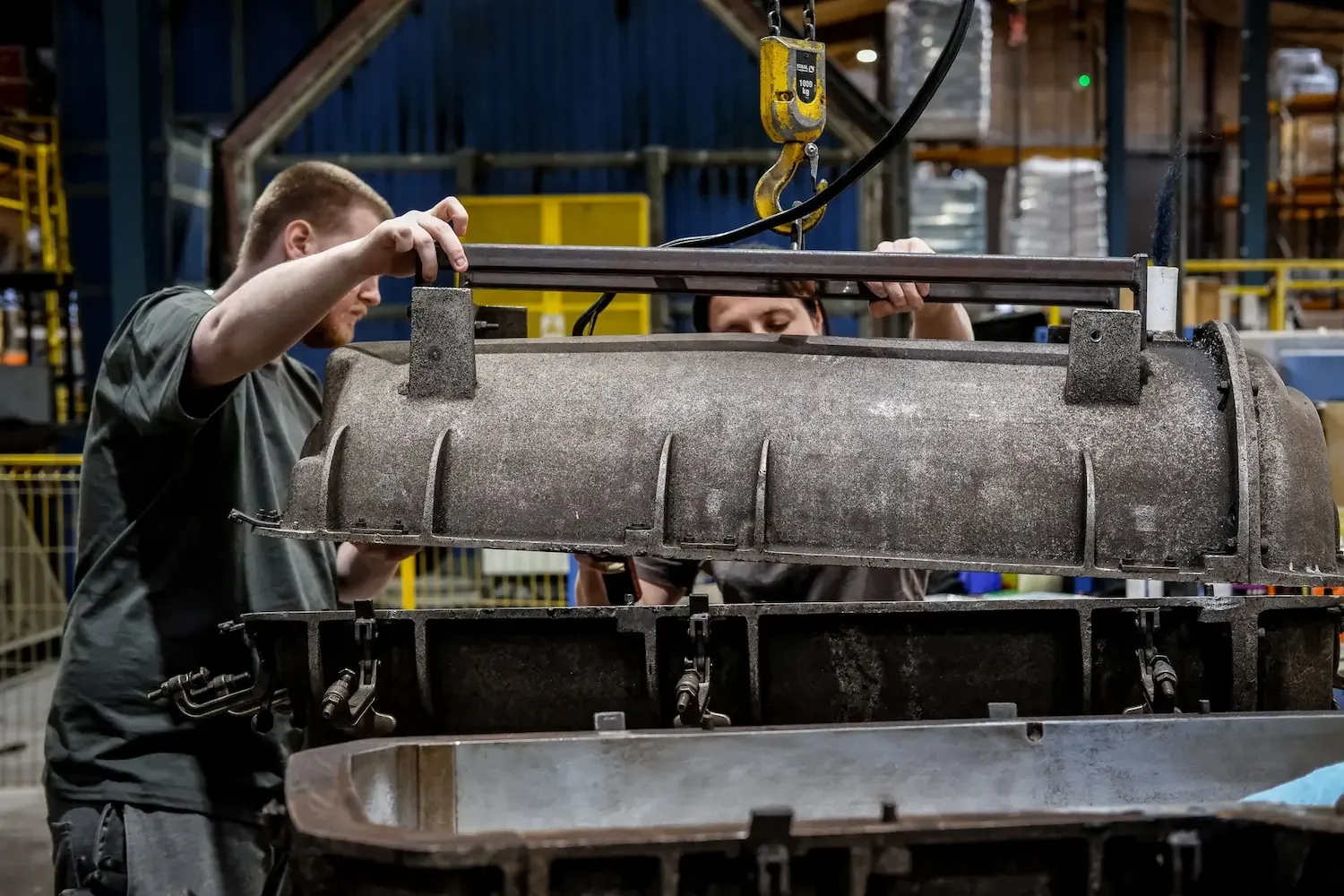
How Custom Plastic Components Hold Up in Harsh Conditions
Rotomoulded plastic parts bring fundamentally different characteristics to challenging environments because they're inherently corrosion-resistant.
Chemical inertness and rust immunity
Plastics have a distinct advantage over metals: they don’t rust. They’re immune to oxidation and are chemically inert to most acids, alkalis and salts. This makes them ideal for water tanks, marine components, chemical storage and external enclosures. In rotational moulding, we use plastic polymer powders (largely polyethylene), which offers excellent resistance to moisture and a wide range of chemicals.
UV, weathering and ageing considerations
Plastics aren't invulnerable. Prolonged sunlight exposure and UV radiation can cause polymers to degrade, leading to colour fading or embrittlement. UV stabilisers and additives can extend outdoor life dramatically, though. High-quality rotomoulded parts can easily exceed 10 years of outdoor service without significant degradation – even in exposed environments. Environmental stress cracking, where environmental factors and mechanical stress combine to weaken plastics, is another consideration, but one that can be designed around if the application is considered from the get-go.
Wear, friction and durability
While metals excel in compressive strength, plastics often outperform them in frictional wear. Plastics also avoid galling, a common problem in metal-on-metal systems where surfaces seize due to adhesion. For outdoor moving parts, pivot joints, or structural housings, a well-designed plastic component can last longer and perform more reliably than its metallic equivalent.
Comparing Plastic vs. Metal: The Trade-Offs
It’s about balancing mechanical needs, environmental resistance and cost across a product’s lifecycle. You don’t want to over-specify when it’s not actually necessary.
Temperature and mechanical load limits
Metals generally handle higher temperatures and heavier static loads better than plastics.
Plastics can soften or creep when continuously stressed at elevated temperatures.
Cost, maintenance and lifecycle analysis
Metal components often need coatings, treatments and regular maintenance to perform reliably in harsh environments. These ongoing costs add up over the life of the product and can outstrip the original part price.
Although the tooling investment for rotomoulding can be higher initially, plastic parts require minimal upkeep and last longer in corrosive or outdoor conditions.
Once you've invested in rotomoulding tooling, each part comes out virtually identical (no variation in thickness or finish) with predictable costs per unit and consistent performance (no rework required). Fabricating metal components individually introduces labour variations (welding, machining and finishing) and higher per-unit costs.
Hybrid and composite solutions
The best designs often combine both materials. Metal inserts can be moulded directly into plastic components, adding structural strength where needed while maintaining corrosion-resistant performance in one cohesive design.

The Advantages of Rotomoulding
One advantage that often gets overlooked in the plastic vs. metal discussion is weight. When we’ve converted steel assemblies to rotomoulded equivalents in the past, the mass reduction is one of the first things clients comment on. Plastic mouldings and components are significantly lighter than equivalent metal parts, which translates into reduced structural loads, easier installation, and lower transport costs.
Colour is another inherent benefit. Because rotomoulding introduces pigment directly into the polymer, the colour becomes part of the material itself rather than a coating that can chip or peel. That’s a major advantage for parts exposed to UV, abrasion, or saltwater – the part maintains its appearance throughout its service life, even in outdoor or marine environments.
Rotomoulding also produces truly seamless, single-piece structures. Unlike fabricated steel tanks or housings that rely on welds, folded seams, or multi-part assemblies, rotomoulded components emerge from the mould as a continuous shell. No joins means no potential leak paths, no weld fatigue, and far less opportunity for corrosion to take hold. For liquid containment, offshore equipment, or anything expected to endure repeated salt spray, this seam-free construction is a major advantage over metal fabrication.
Why Choose Rototek for Corrosion-Resistant Moulded Parts
Rototek has over 30 years of experience manufacturing large, durable components that perform in the toughest environments. From marine housings to chemical storage tanks and playground equipment, our rotational moulding company specialises in producing plastic components that resist corrosion, UV damage, and weathering for decades.
We guide our clients through every step of the process – from material selection and prototype development to tooling and full-scale production. When you're specifying equipment for harsh environments, our in-house team uses advanced CAD modelling to optimise your design, ensuring that every product we make performs in real-world conditions.
When it comes to plastic vs. metal, both materials have applications where they excel. In corrosive environments, though, rotomoulded plastics often provide better long-term value. For longer-lasting lower-maintenance products, plastic is a strategic move toward efficiency and resilience. If you’re designing for harsh environments or long-term durability, custom plastic moulding allows you to engineer corrosion-resistant components that are purpose-built for the conditions they’ll face. We can help you choose the right material and process for your next project to solve your corrosion challenges.