Design Flexibility in Plastic Moulding: Balancing Creativity and Practicality
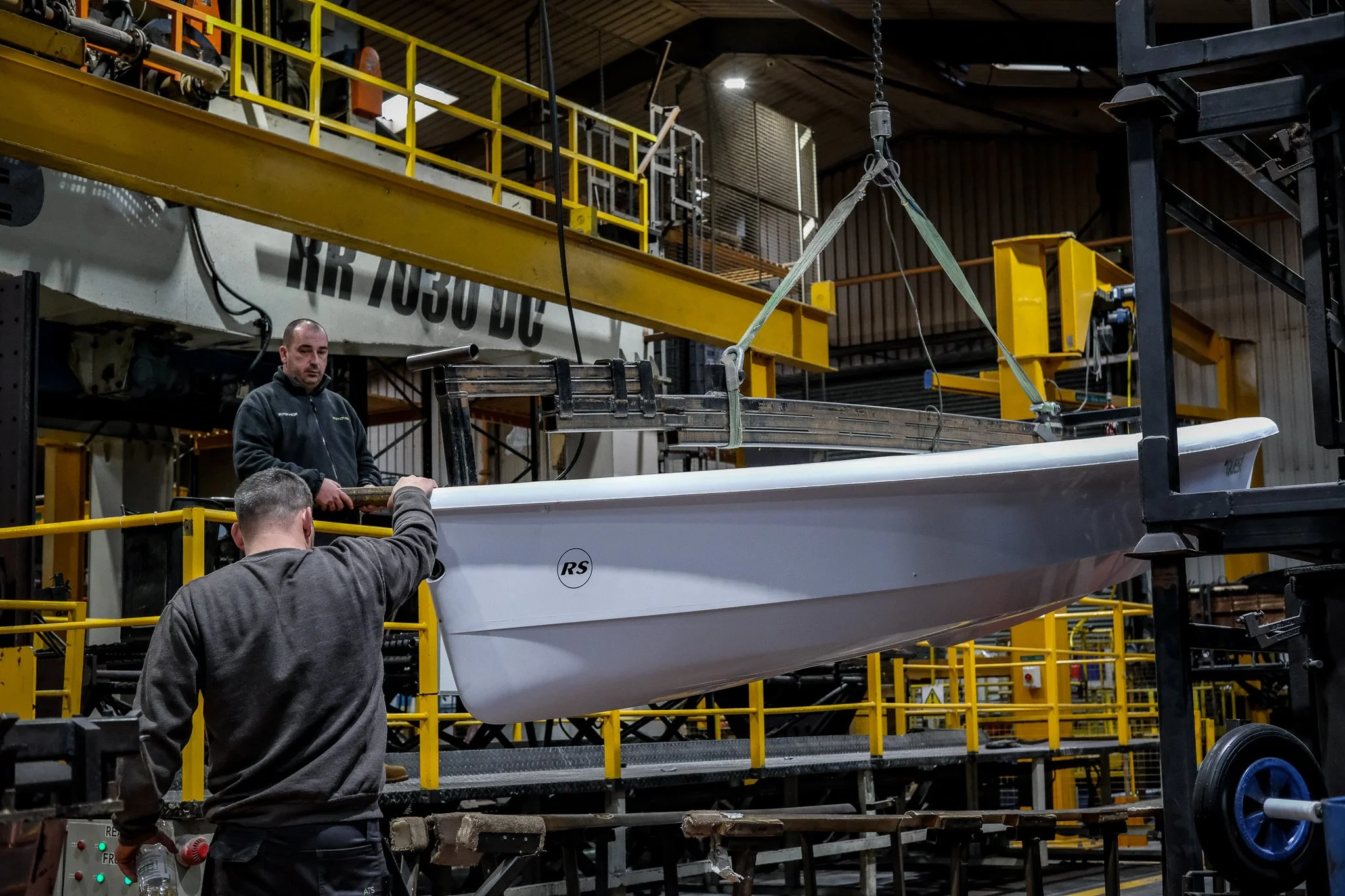
When working with new plastic moulding designs, creativity and manufacturability sometimes pull in opposite directions. The last thing you want is to discover your design can't be manufactured. With Rototek’s flexible approach to plastic moulding, those two aims don’t have to clash. With the right process, materials and design mindset, you can protect your creative intent and produce parts that perform reliably in the real world.
At Rototek, we work with engineers and product designers across multiple sectors – from agriculture, automotive, medical to construction and marine – helping them turn ambitious ideas into distribution-ready rotomoulded products.
Why Design Flexibility Matters
In rotational moulding, design flexibility isn’t just about working around limitations – it’s about unlocking what other moulding methods can’t do. Because the rotomoulding process builds hollow forms, it allows seamless, joint-free plastic moulding designs with smooth internal surfaces and uniform strength. With rotational moulding, you can integrate complex external geometries, add features like bosses or threaded inserts directly into the mould and even create double-walled parts, all without extra assembly steps.
Flexible plastic moulding designs (that embrace manufacturing realities) adapt to material behaviour, accommodate necessary manufacturing features, and still deliver on aesthetic and functional requirements. Inflexible designs fight the process every step of the way, leading to compromises that nobody wanted. When designs work well with the manufacturing process, you get faster iterations, fewer costly redesigns and products that perform as intended. Getting this right from the start saves you serious headaches down the line. No tooling modifications, production delays, or high scrap rates.
Key Principles to Enable Design Flexibility in Rotomoulding
The rotational moulding process gives us unique advantages for creating complex, hollow parts, but it also has specific requirements that smart designers learn to work with rather than against.
Material selection
The right material can make or (in some cases, literally) break a plastic moulding design. Polyethylene is the go-to for rotomoulding because of its toughness, chemical resistance and ability to flow evenly inside the mould. But additives or co-polymers can introduce more flexibility where needed; for example, to add impact resistance or UV stability for outdoor installations.
Polypropylene offers better upper/higher temperature resistance, while the use of nylon (polyamide) delivers benefits such as superior stiffness and toughness for demanding applications, plus excellent barrier properties when you need to control a product’s permeability. We can even combine materials – using a chemical-resistant liner with a structural outer layer, for example. We'll work with you to match material properties to your design requirements.
Uniform wall thickness
Rotational moulding naturally wants to create uniform wall thickness – this is actually one of the process's biggest strengths. Unlike injection moulding where material flows from gates and can create thin spots, rotomoulding builds walls evenly throughout the part. Ribs or reinforcing features can be used to add strength and reinforce high-stress zones without bulk. A uniform wall thickness also ensures even heating and cooling, reducing defects like warping.
Incorporate draft and parting lines early
Draft angles can make it easier for parts to release from the mould. For most rotational moulds, a 1-2° draft is sufficient, but textured or deep features may need more. Planning your parting lines early prevents expensive changes later and keeps undercuts manageable. In many cases, subtle geometry adjustments can provide the same visual or functional outcome with less tooling complexity.
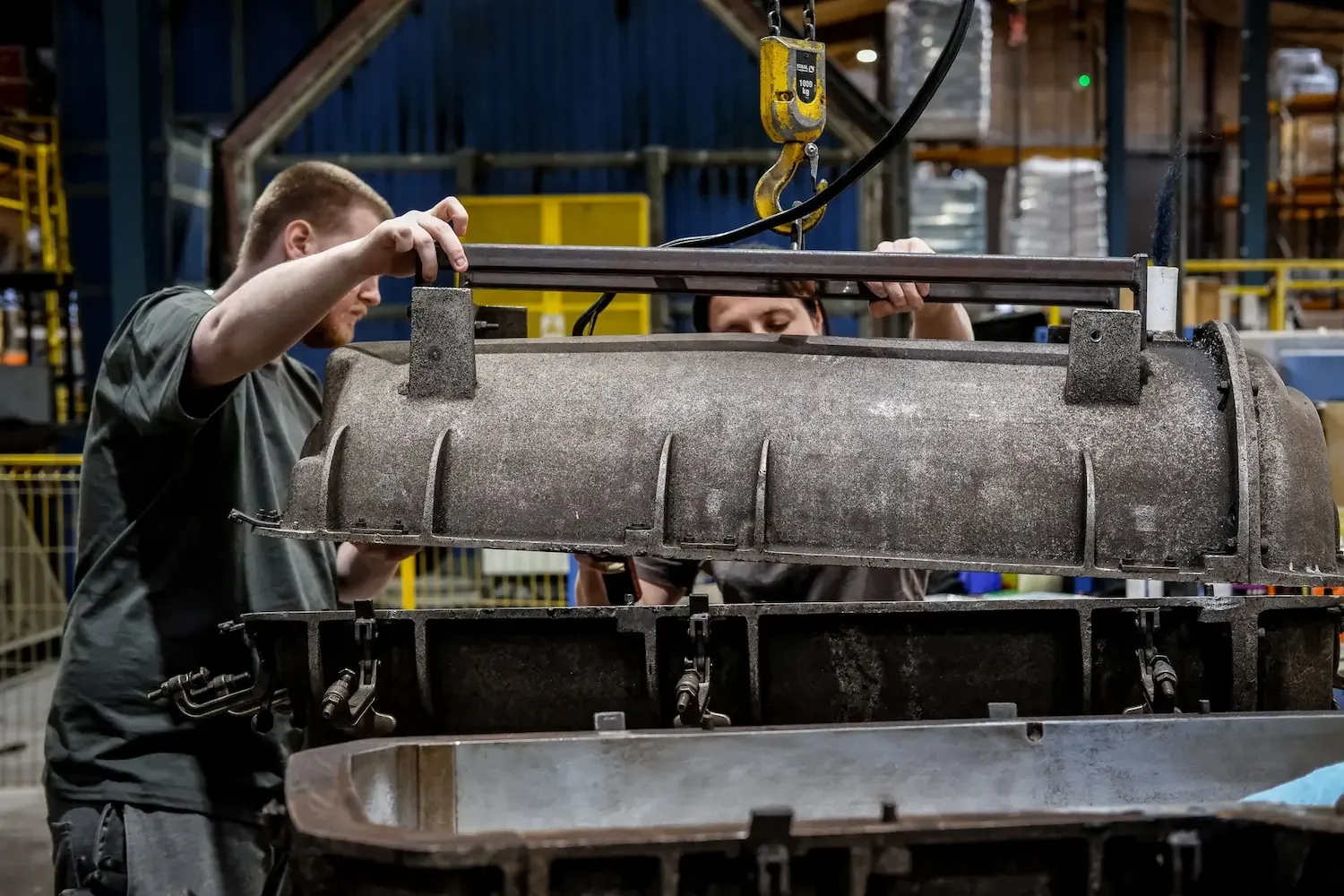
Rotomoulding Design Features
Rotational moulding offers designers huge scope to innovate – integrating features, strengthening components and combining multiple functions within a single, seamless part.
Smart use of ribs and reinforcements
Ribs and bosses are your secret weapon for adding rigidity without weight or material cost. These reinforcements can follow complex curves and geometries that would be impossible with other processes. In rotomoulding, we can integrate these directly into the part during forming; no secondary operations needed.
Design for assembly and integration
Rotational moulding gives designers the freedom to integrate multiple functions into a single plastic moulding design. Unlike other processes where inserts are added afterwards, features such as mounting points, metal fittings, threaded inserts, handles, or internal baffles can be moulded in directly, reducing the need for secondary operations or assembly. This saves time and money, and also improves product integrity – every part is consistent, durable, and watertight from the outset.
Double-wall construction
With rotomoulding, we can create double-walled parts with an air gap for insulation, or inject expanding foam between the walls for superior thermal performance and structural strength. Both walls form simultaneously, creating a single, integrated part with no joints or seams to fail. From tanks to kayaks, coolers, and industrial containers, you get the performance of a complex assembly in a single manufacturing step.
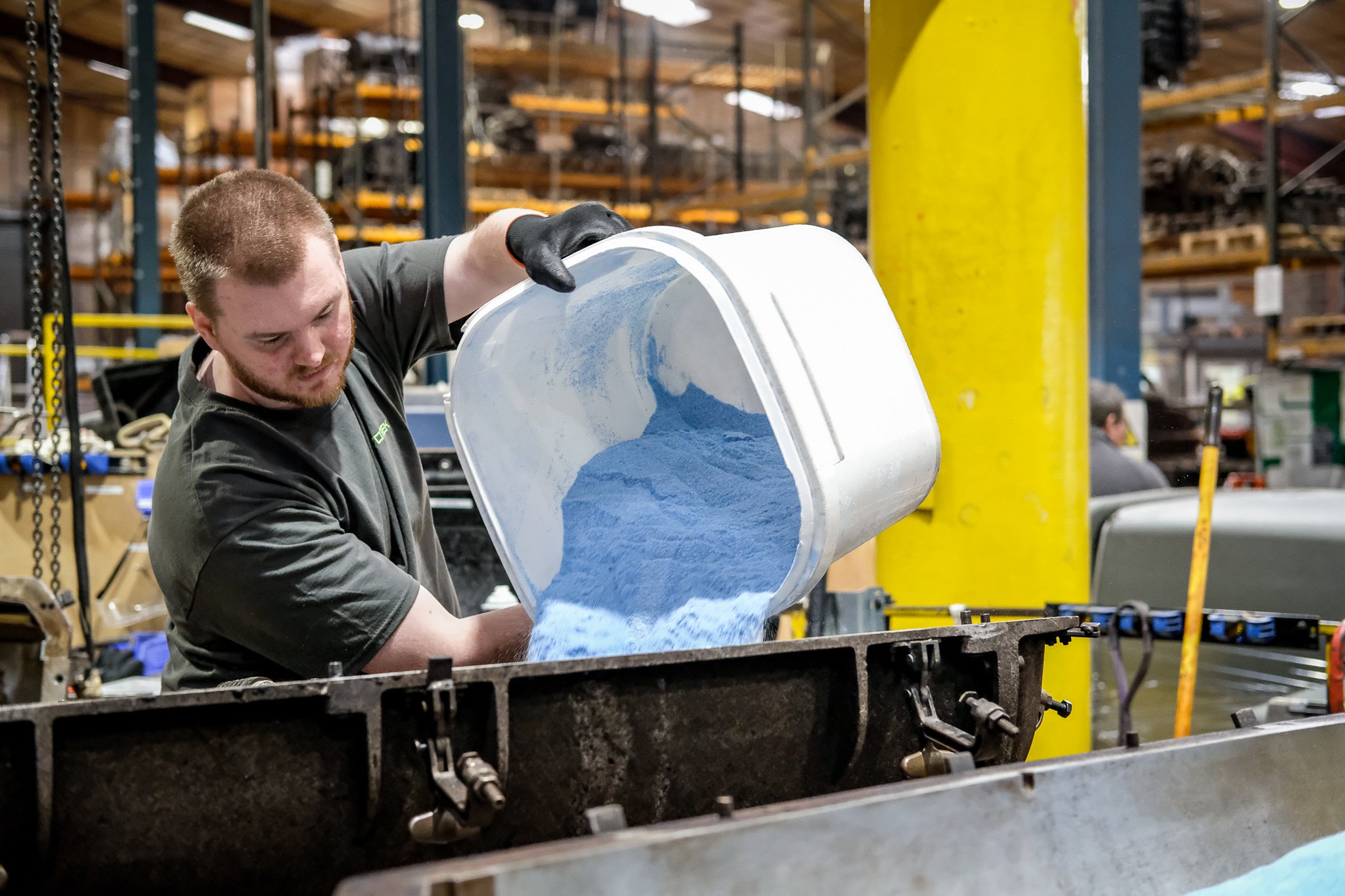
How Rototek Delivers on Design Flexibility
The most successful plastic moulding design projects are those that build manufacturability into the design process from day one. Our design team works alongside clients from the concept stage through to production. We use state-of-the-art Computer Aided Design (CAD) software to create detailed 3D models of your product, and can create prototypes via 3D printing or wooden models (depending on the size and complexity of the product). The key is understanding what's possible and planning for it from the beginning.
At Rototek, we help product designers and engineers create moulded plastic products that perform as brilliantly in production as they do on the drawing board. If you want to explore how far your design can go, talk to our team – we’ll help you make it manufacturable, without compromising on creativity.